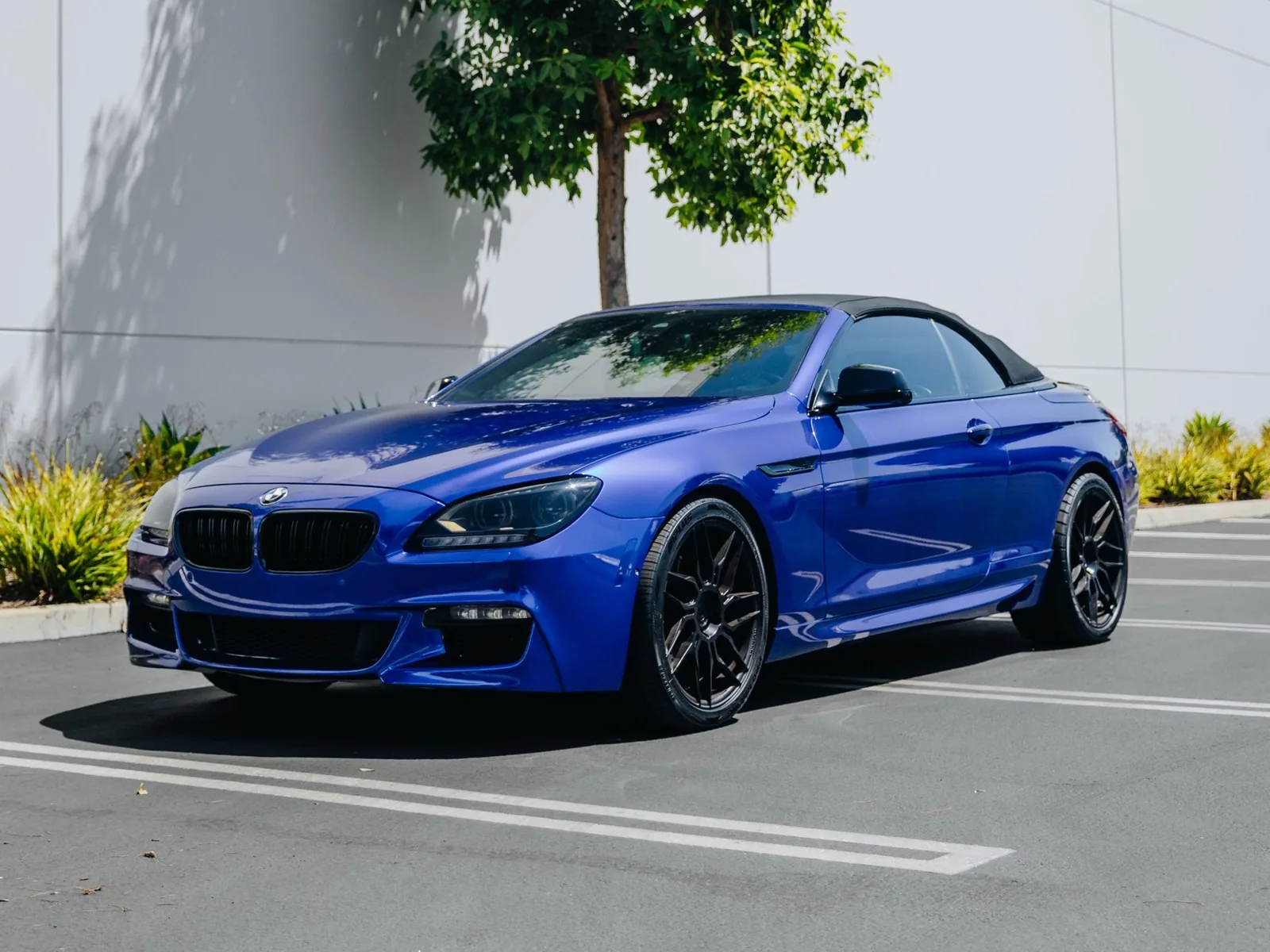
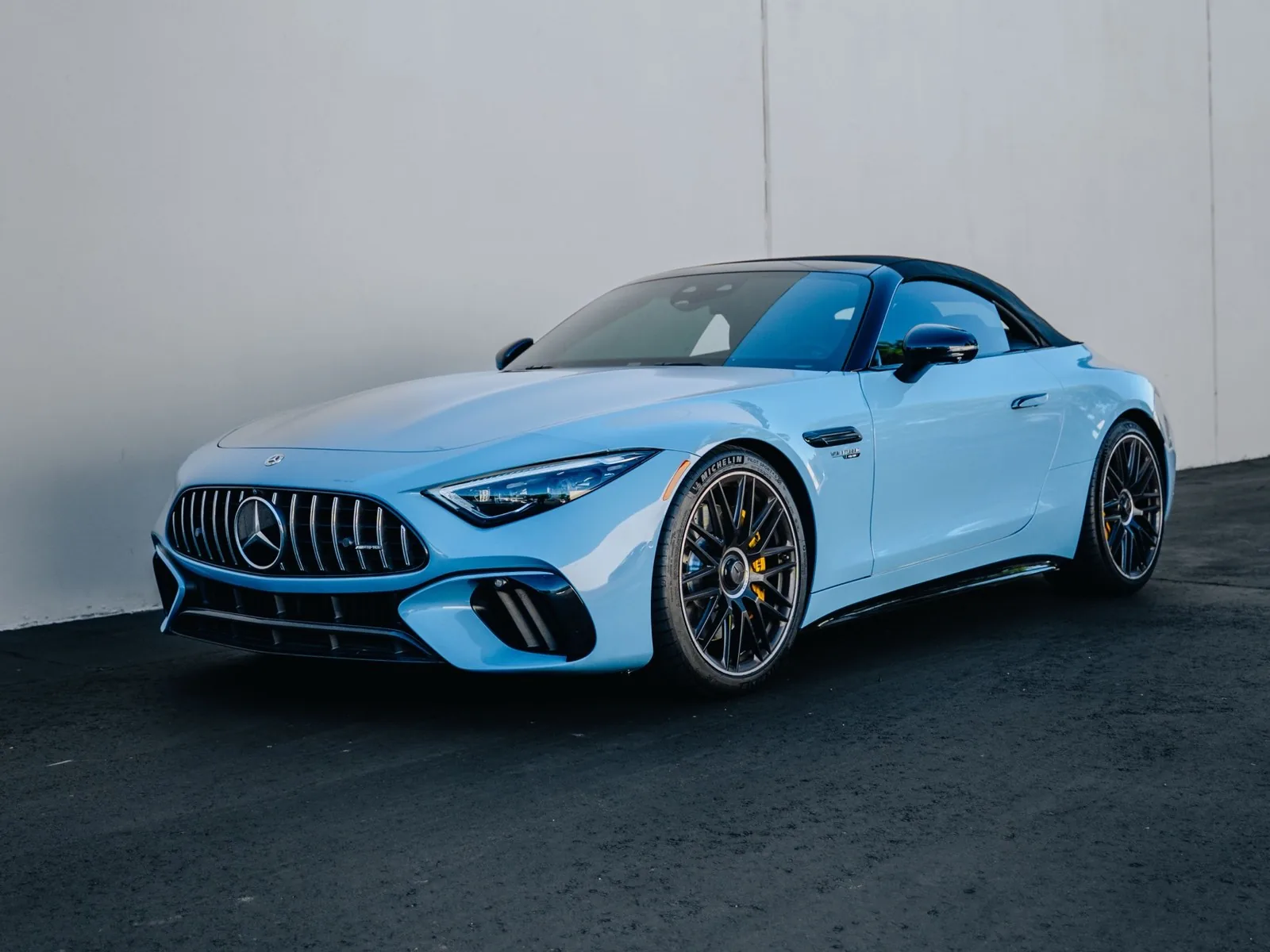
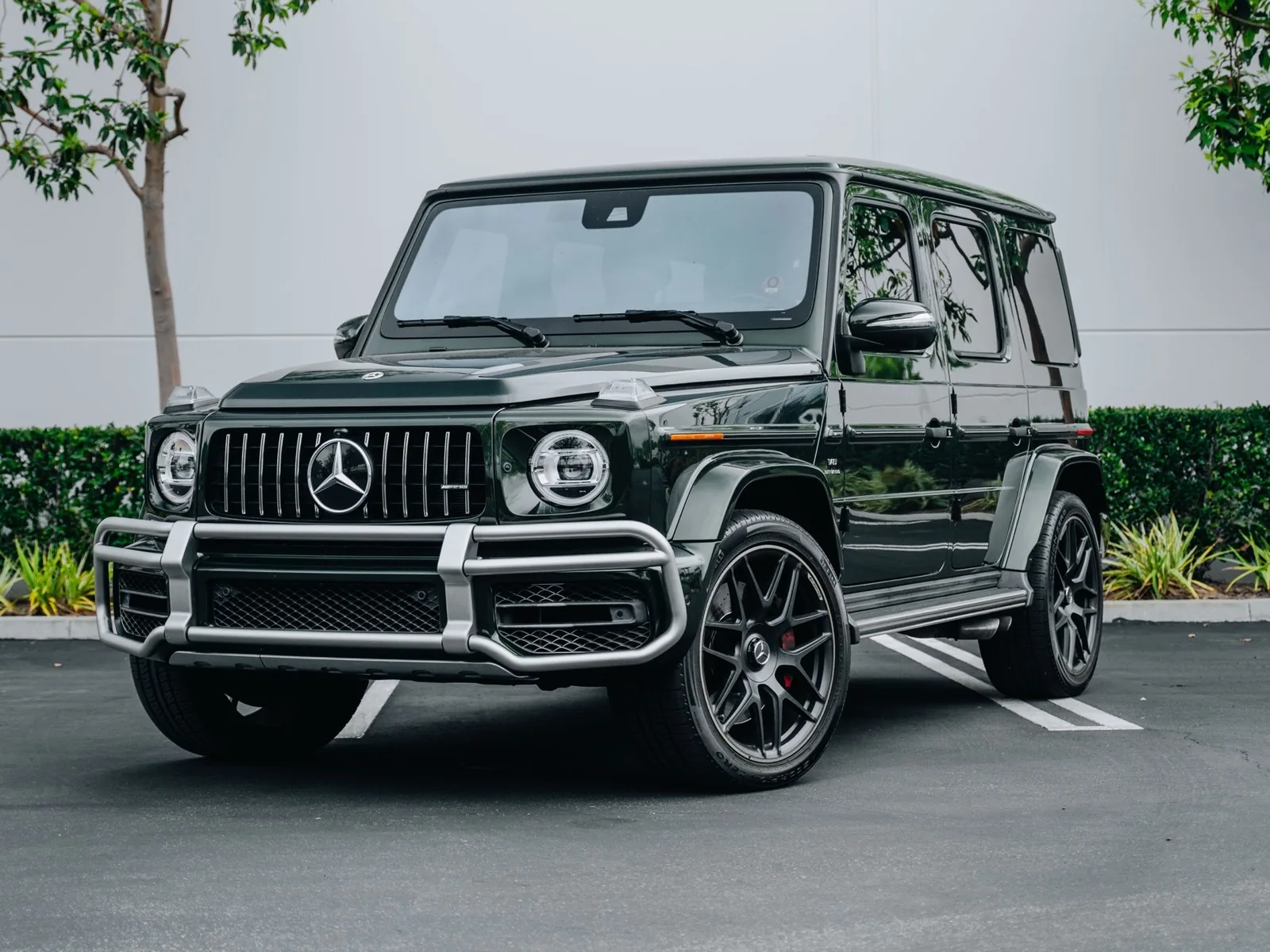
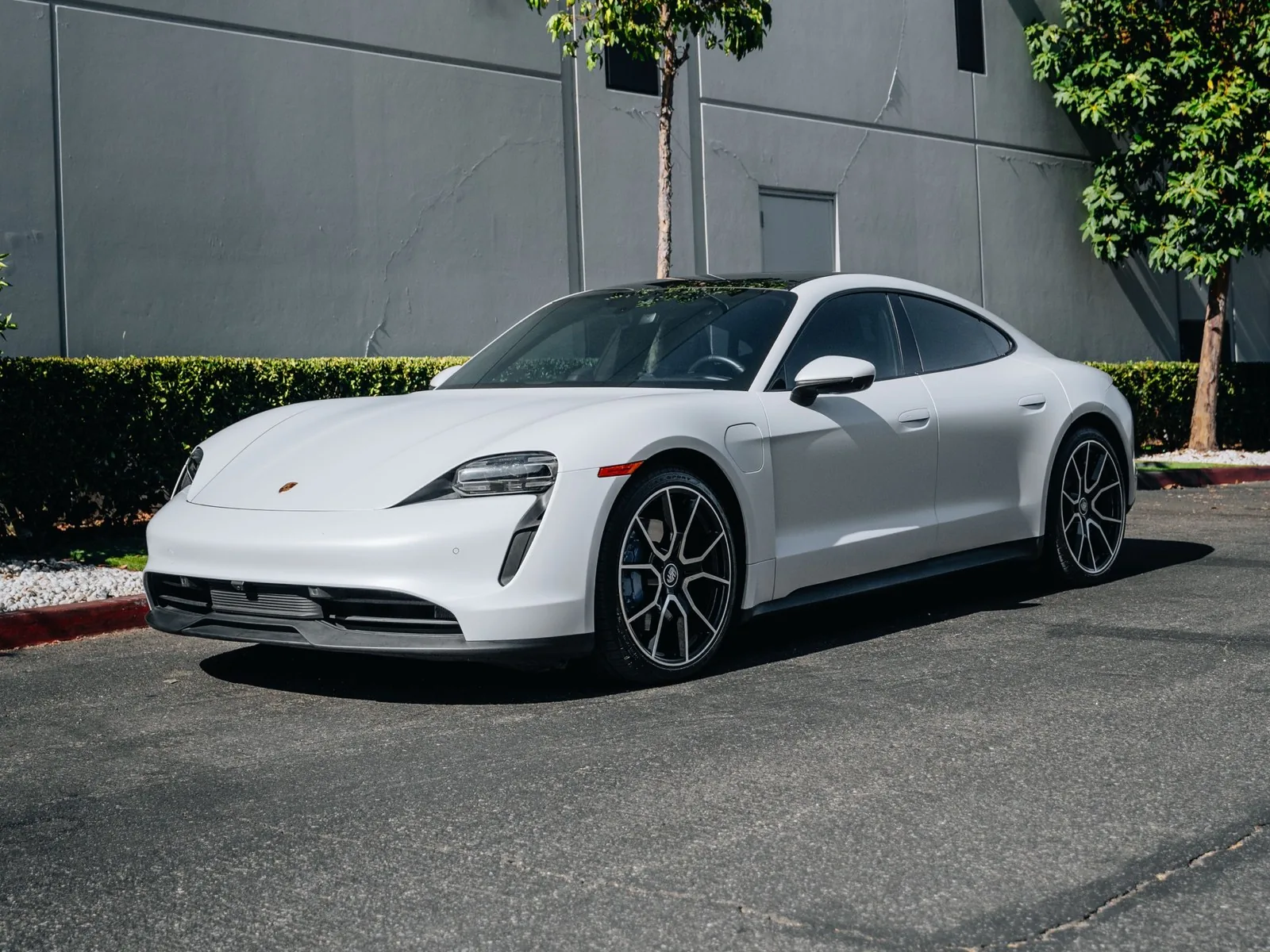
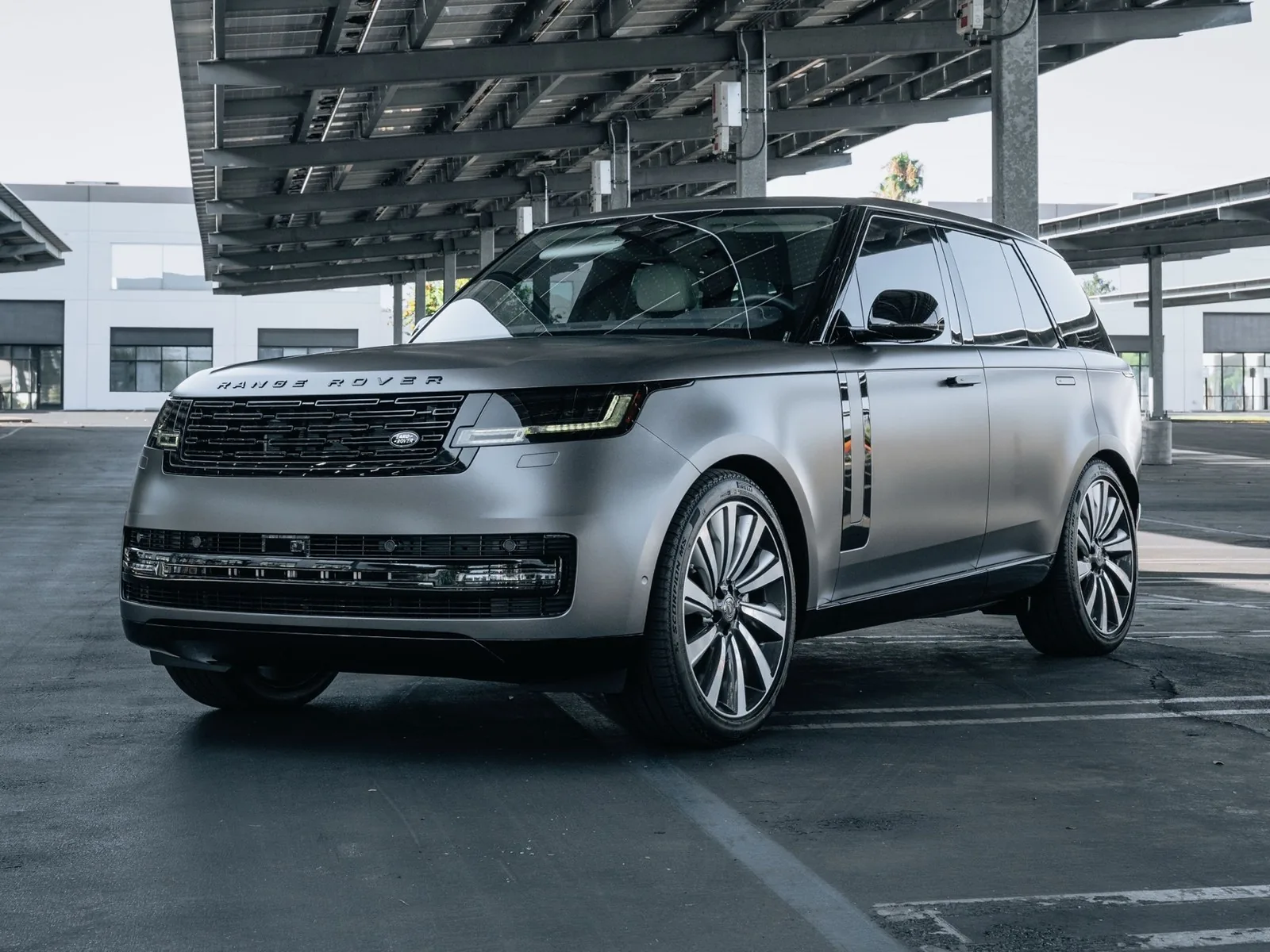
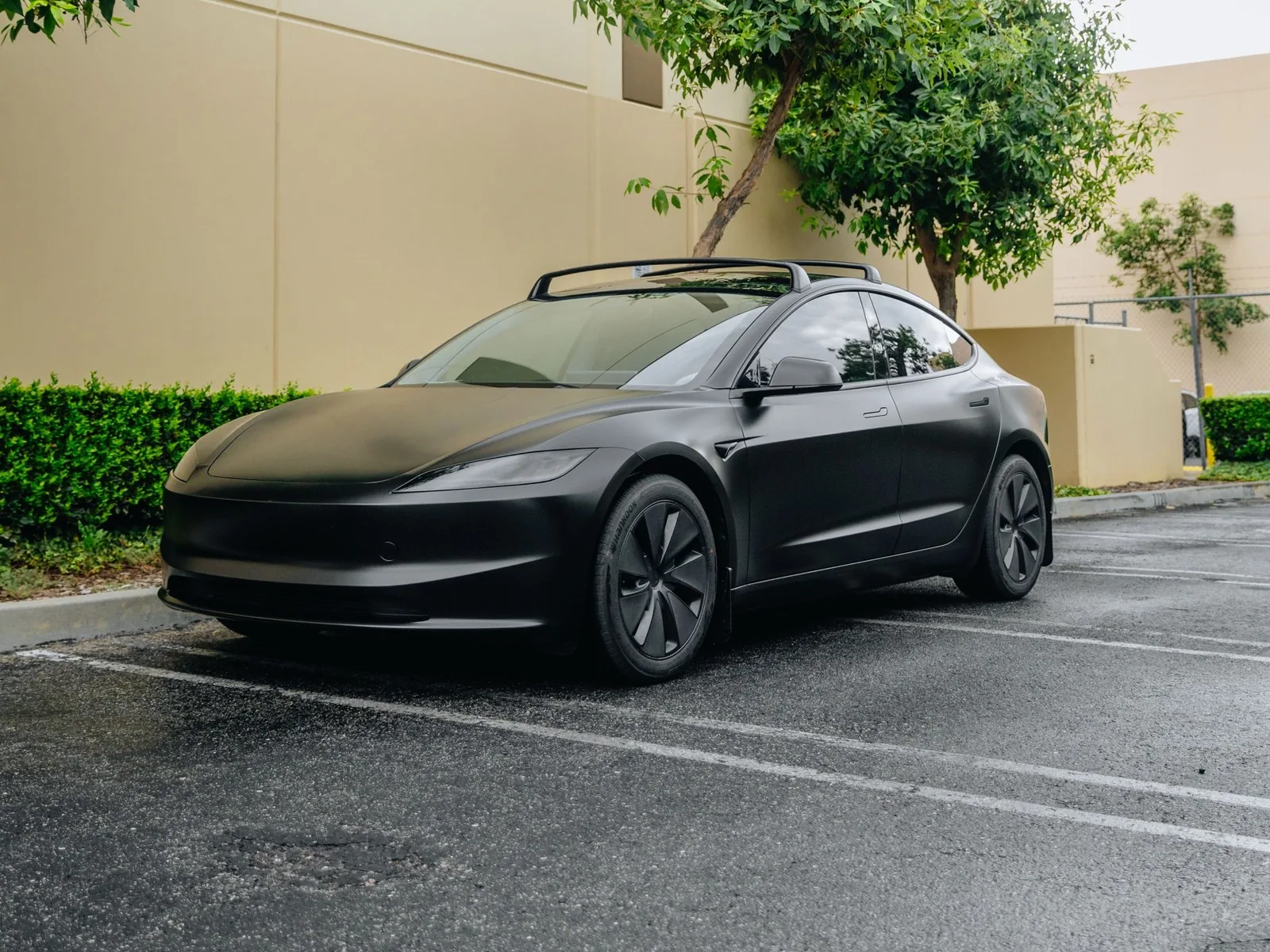
Professional nano-ceramic coating applied at our climate-controlled San Fernando Valley studio. 5H, 9H pro-grade, and graphene-enhanced coatings — layered over factory paint, vinyl wrap, or paint protection film. Hydrophobic, UV-resistant gloss. Realistic 12–24 month service life with proper care.
For a full cost breakdown by vehicle — what affects pricing, paint correction options, and coating tiers — see our ceramic coating pricing guide.
Realistic service life is around 12 months on average, sometimes longer with disciplined hand-wash habits and an annual top-up booster. Higher-grade 9H and graphene products stretch to 18–24 months when the car stays out of automated brush washes. Coating layered over vinyl wrap or PPF tends to run on the shorter end of that range because of how the film surface ages and flexes. Manufacturer claims of 5–10 years rarely hold in real LA driving conditions — we tell you what to actually expect.
Our application process is staged: paint correction (1-step or 2-step depending on condition), thorough decontamination wash, clay and IPA wipedown, then layered coating application in a dust-controlled bay with full 24-hour cure before the vehicle goes back on the road. Skipping correction or rushing cure is the #1 reason DIY ceramic coatings fail in months instead of stretching to a full year.
Ceramic coating is often paired with paint protection film on impact zones, a fresh vinyl wrap below for color change, or ceramic window tint for a complete protection package — but standalone coating jobs are the bulk of what we do. Get a quote for your vehicle and we’ll walk through tier and correction options.
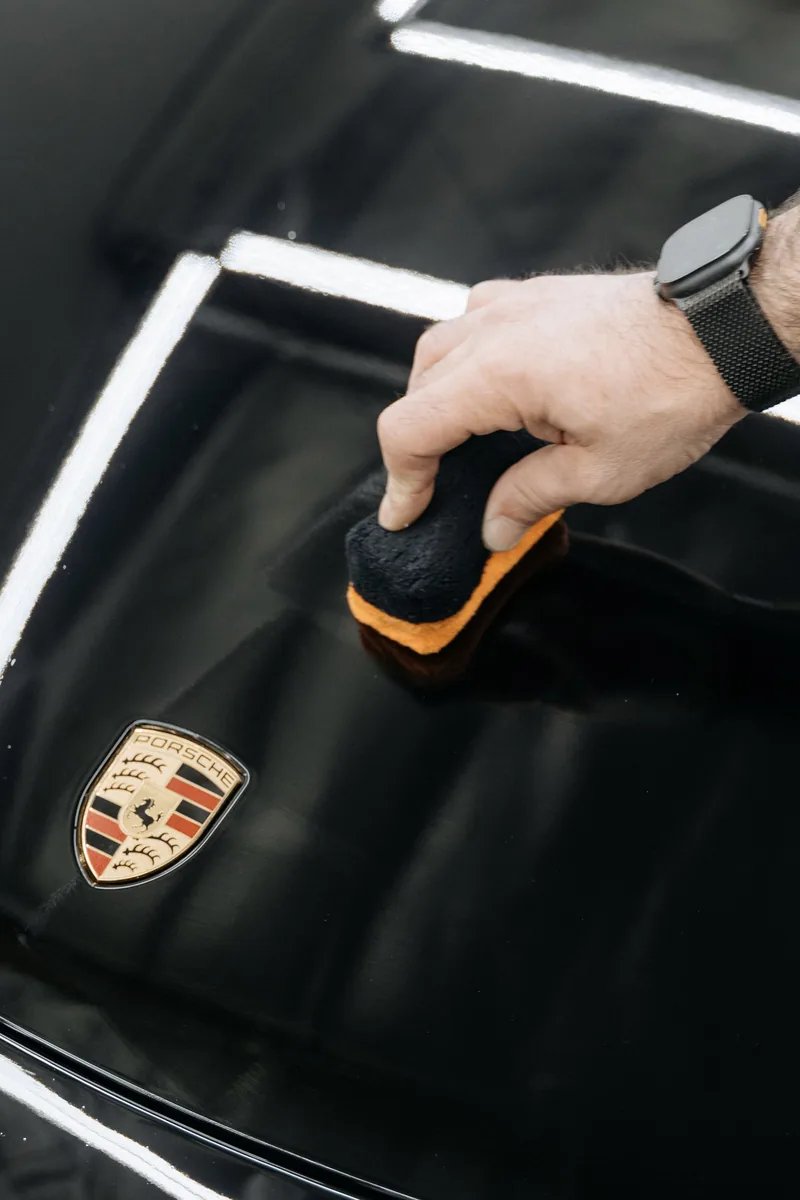
The standard application — nano-ceramic layered directly over corrected factory paint. We start with paint correction (1-step or 2-step depending on swirl and oxidation), thorough decontamination, then layered coating in a climate-controlled bay. The result is a hydrophobic surface that holds gloss, repels water and contaminants, and resists UV fade for years.
Nano-ceramic on paint is the default tier for daily drivers and weekend cars. It does not stop rock chips — for impact zones we pair the coating with paint protection film on the hood, fenders, and mirrors. Standalone ceramic is the right call when the paint is healthy and you want years of easier washing and deeper gloss.
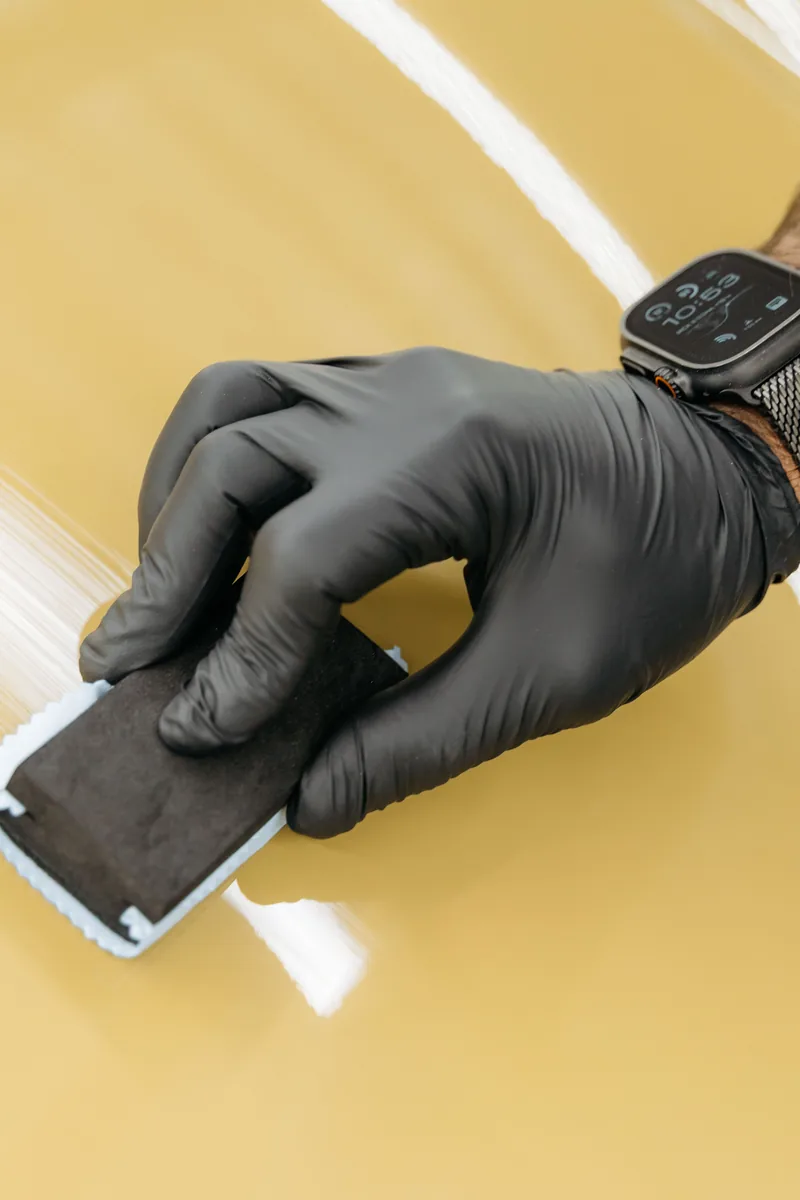
The premium pairing: paint protection film takes the rock chips and physical hits, then ceramic coating goes on top to hold the gloss, repel water, and stop chemicals from etching the film. Two layers, two different jobs — the result is the longest, most complete protection setup we install.
Ceramic over PPF extends film life noticeably. The hydrophobic surface keeps tar, bug splatter, and tree sap from soaking into the film, and washes shed faster. For full-body PPF builds on premium cars, layered ceramic is part of the standard spec, not an upsell.
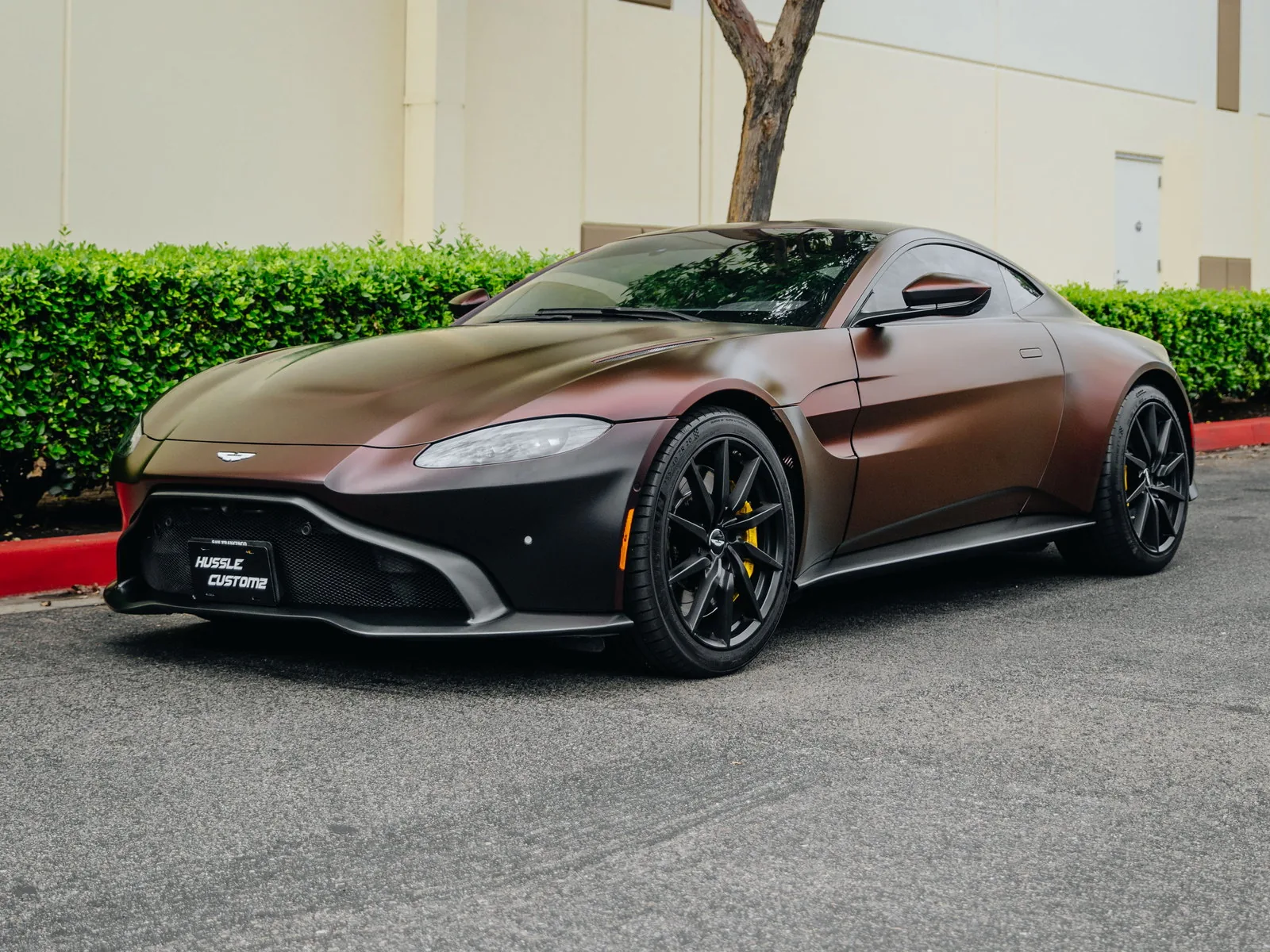
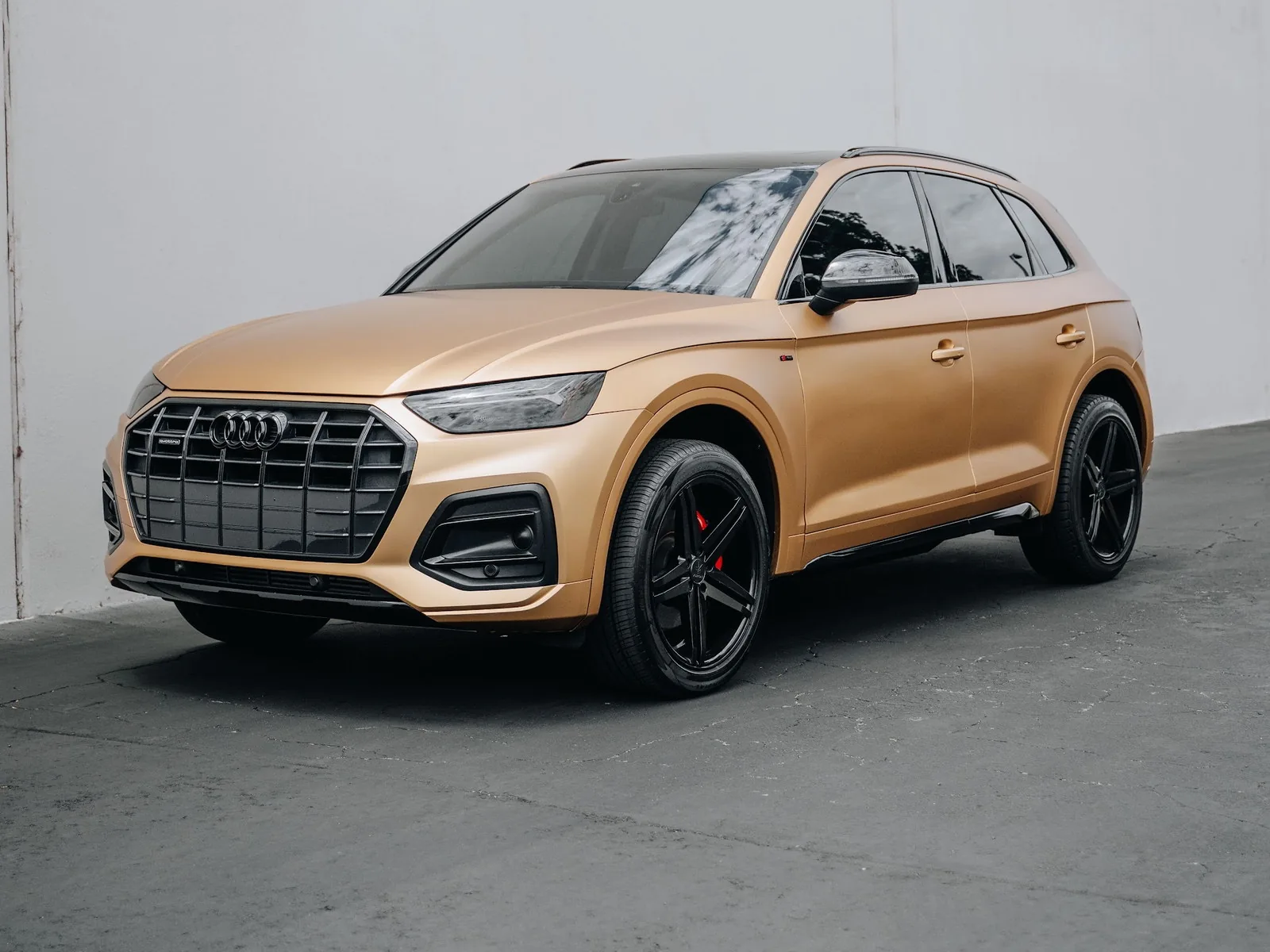
Ceramic coating bonded over a vinyl wrap makes wash cycles easier without damaging the film edges, adds chemical resistance against bird droppings, tree sap, and fuel spills, and slows the natural aging of the wrap surface. Matte, satin, and gloss wraps all accept the coating — we tune the product so the original finish is preserved (no unwanted gloss shift on matte films). Expect the coating itself to hold up to a year on vinyl, less if the car lives outdoors in full sun.
Ceramic over vinyl is the right move on color-change builds you plan to keep more than a year. It pays for itself in maintenance and wrap life. Wraps installed in our studio receive coating discounts when the two services are booked together.
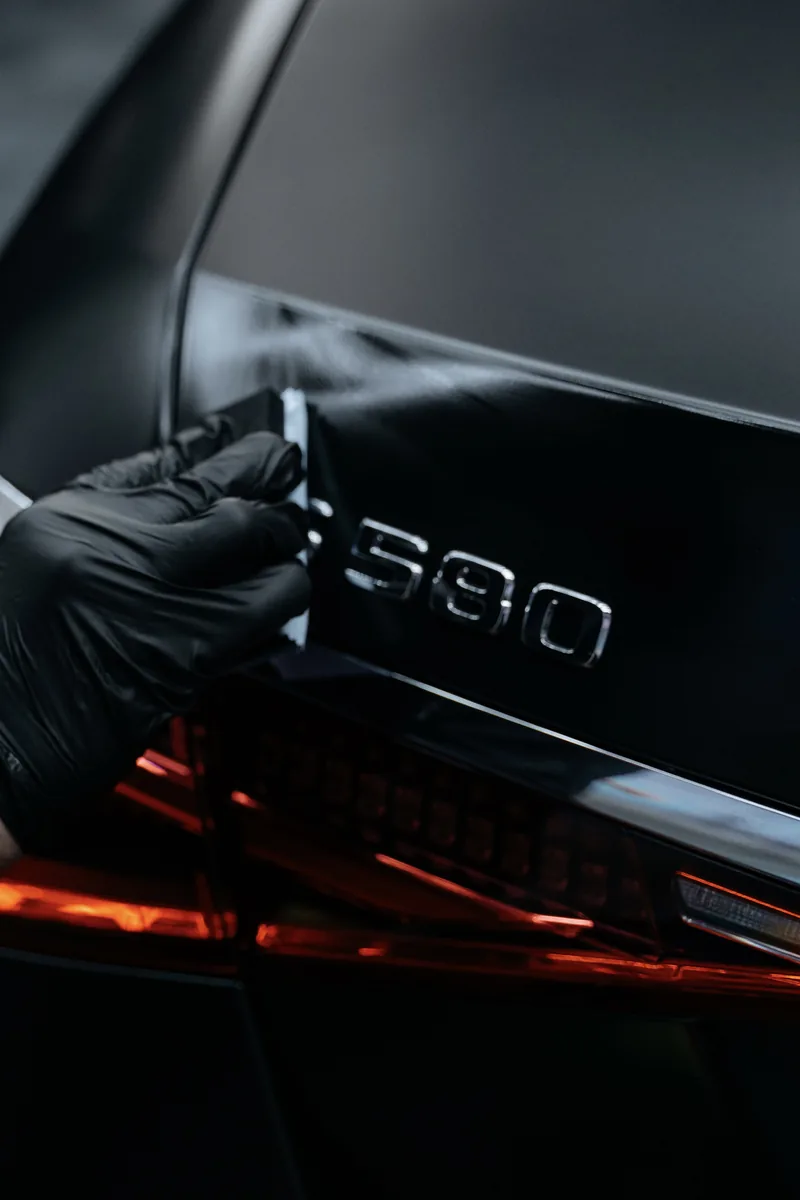
Ceramic coating is one of the most cross-make services we install. The same correction and application process works on European exotics, German performance, modern muscle, EVs, and daily drivers — if the paint is healthy or the wrap or PPF is freshly installed, we can coat it.
A full ceramic coating install takes 2–3 days in our studio: paint correction (1-step or 2-step depending on condition), thorough decontamination wash, IPA wipedown, layered coating application, and 24-hour cure in the climate-controlled bay before the vehicle is touched. Premium 9H coatings may require an additional cure day.
Realistic service life is about 12 months on average, sometimes longer with disciplined hand-wash habits and an annual top-up booster. Higher-grade 9H and graphene products stretch to 18–24 months when the car is kept out of automated brush washes. Coating over vinyl wrap or PPF tends to run on the shorter end. Manufacturer claims of 5–10 years rarely hold in real LA driving conditions.
Yes — for any car owner who keeps the vehicle 2+ years. Ceramic coating saves wash cycles (hydrophobic surface sheets water and contaminants), protects paint from UV fade and chemical etching, and holds the original gloss longer than wax or sealant. The investment amortises against years of detailing you do not have to do.
No — they are different layers. PPF is a thick urethane film that absorbs rock chips and physical impact; ceramic coating is a thin nano-glass layer that holds gloss, repels water, and resists chemicals. The premium pairing is PPF on impact zones with ceramic coating layered over the entire vehicle on top of paint and film.
Yes. We coat over vinyl wraps regularly — matte, satin, and gloss films all accept ceramic coating. The coating makes the wrap easier to wash without damaging the film edges, adds chemical resistance against bird droppings, tree sap, and fuel splashes, and slows the natural aging of the wrap surface. On vinyl, the coating itself typically holds up to a year — less if the car lives outdoors in full sun.
Wax sits on top of the clear coat as a soft sacrificial layer that washes off within weeks. Ceramic coating chemically bonds to the clear coat and forms a hard, semi-permanent nano-glass surface that lasts years. Wax is short-term cosmetic; ceramic is multi-year protection plus gloss enhancement.
Call us or request a quote — we will walk through coating tiers, confirm paint correction needs, and give you an honest price.