
Walk into any LA tint shop and you will see "ceramic" on every menu. The word covers everything from premium STEK ceramic to entry-tier dyed film with a sprinkle of ceramic powder slapped on the marketing label. The differences are real, measurable, and they show up in three places: the heat you feel, the color you see at year four, and the cost over the life of the install. This is what actually changes between film types — by the numbers, from the installer who has pulled hundreds of failed dyed films off LA cars and replaced them with ceramic.
The four window film types — what each actually is
Modern automotive window film comes in four chemistries. Three of them are still installed in LA shops; one (dyed) we don't recommend at any price.
Dyed film
The cheapest tier. A layer of dye absorbs visible light to create the dark appearance. Heat rejection comes only from darkness — a light dyed film blocks almost no heat. Dyed films fade and turn purple under sustained UV exposure within 2–4 years in Los Angeles. Most shops still offer it because the install cost is low and the markup is high. Worst long-term value.
Metalized film
A microscopic metal layer (usually aluminum) reflects infrared heat. Better thermal performance than dyed and longer-lasting because the metal does not fade. The catch: the metal layer also blocks radio frequencies, which interferes with GPS, cell signal, AM/FM radio, satellite radio, and modern toll transponders (FasTrak in CA). Many LA owners discover the signal issue only after install.
Carbon film
Carbon particles absorb infrared heat (rather than reflect it). No metal, so no signal interference. Mid-tier heat rejection (40–55%) and good fade resistance. A genuine upgrade over dyed without ceramic-tier price.
Ceramic film
Microscopic ceramic nanoparticles block infrared heat by both absorption and re-radiation. The top tier across every measurable spec: highest IR rejection (60–80%), no signal interference, no fade across 10+ years of LA sun, and available at any darkness level — including legal-clear front-window shades that still reject substantial heat. STEK, 3M Crystalline, LLumar AIR, XPEL Prime XR are the brands we trust.
Heat rejection — real numbers by film type
Window film performance is measured by three numbers: VLT (visible light transmission, what you see), IRR (infrared rejection, what you feel as heat), and UV block (skin and interior protection). The real comfort difference is IRR.
| Film type | IR rejection | UV block | Lifespan | Signal interference? |
|---|---|---|---|---|
| Dyed | 18–25% | ~99% (most) | 2–4 years | No |
| Metalized | 35–45% | ~99% | 5–7 years | Yes (GPS, cell, toll) |
| Carbon | 40–55% | ~99% | 7–10 years | No |
| Ceramic | 60–80% | 99%+ | 10+ years | No |
Dyed
- IR
- 18–25%
- UV
- ~99%
- Lifespan
- 2–4 yrs
- Signal
- No
Metalized
- IR
- 35–45%
- UV
- ~99%
- Lifespan
- 5–7 yrs
- Signal
- Yes
Carbon
- IR
- 40–55%
- UV
- ~99%
- Lifespan
- 7–10 yrs
- Signal
- No
Ceramic
- IR
- 60–80%
- UV
- 99%+
- Lifespan
- 10+ yrs
- Signal
- No
The 2–3× IR rejection gap between ceramic and dyed is what every customer feels on a 90°F LA day. Cabin temperatures inside a ceramic-tinted car run 10–20°F cooler than the same car with dyed film at the same VLT level.
Why heat rejection is the real metric, not darkness
Most owners assume "darker = cooler." That's true for dyed film, but it's the wrong way to think about modern tint. Ceramic film breaks the link between darkness and heat rejection — you can have a clear (70%+ VLT) ceramic film on the front windows that blocks more heat than a dark (20% VLT) dyed film on the same window.
This matters in California because front-window darkness is restricted by law (70%+ combined VLT required). With dyed film, that legal restriction means almost no heat rejection on the front. With ceramic, you get full heat rejection while staying compliant. Full California tint law breakdown here.
Signal interference — metalized film's hidden cost
The single biggest reason LA shops have stopped installing metalized film: signal interference. The metal layer that blocks infrared also blocks radio frequencies. After install, owners discover:
- GPS accuracy drops — navigation jumps, takes longer to acquire fix, may lose signal in tunnels and underpasses where it would normally hold.
- Cell signal weakens inside the cabin — calls drop more often, data speeds slow, especially in marginal coverage areas (canyon roads, parking garages).
- FasTrak and toll transponders fail or read inconsistently — major problem on the 91 Express, 10 Express, 110, and 405 toll lanes. Failed read = ticket.
- Satellite radio drops in/out — SiriusXM, Tesla streaming, Spotify cellular all affected.
- Keyless entry range reduces — proximity unlock distance drops, sometimes to within arm's length.
Ceramic, carbon, and dyed films do not interfere with signals. For any owner who relies on GPS, FasTrak, or in-car connectivity, metalized film is a non-starter regardless of price.
Why Los Angeles specifically rewards ceramic
Three things about driving in LA make ceramic tint a better investment than it would be in milder climates.
Sustained UV exposure
LA averages 284 sunny days per year — roughly 75% sunny coverage. That sustained UV destroys dyed film 2–3× faster than the same film would fade in Seattle or Boston. A film rated for "5 years" in a national-average market often lasts only 3 years in LA.
Cabin heat from freeway commutes
The 405, 101, 10, and 110 routinely sit in stop-and-go traffic during summer. A car parked for a 30-minute meeting in West Hollywood at 2pm on July 15th hits 130–150°F cabin temperature. Ceramic tint reduces that initial blast by 20–35°F at re-entry. Saves AC load, saves comfort, saves leather and dashboard.
EV battery drain from cabin AC
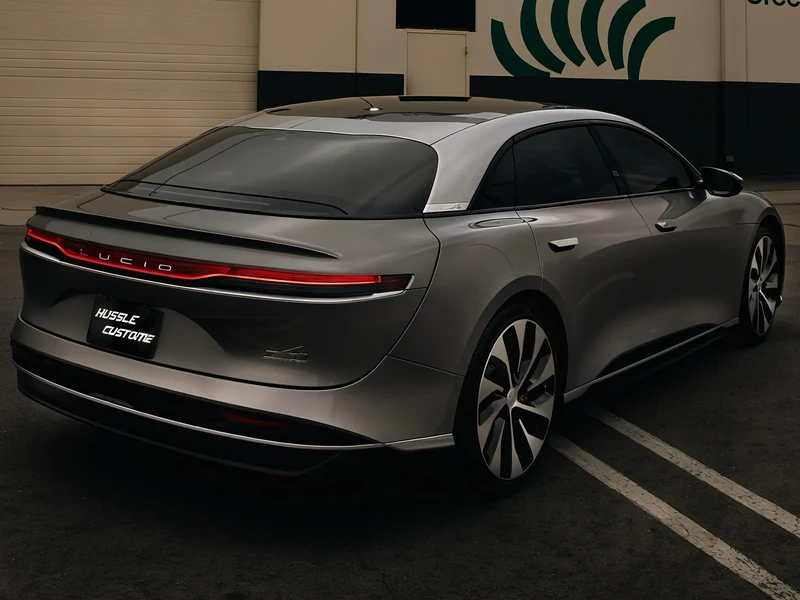
Tesla, Rivian, Lucid, and other LA EVs use battery to pre-condition cabin AC. Ceramic windshield film + ceramic side tint reduce thermal load enough to measurably extend summer range — typically 2–5% on a Tesla Model Y in mid-summer. Not huge per-trip but adds up to real miles per year.
Tesla Model Y owner driving 12,000 miles/year in LA gains roughly 240–600 miles/year from full ceramic install via reduced AC battery drain. At average Tesla charging cost in LA ($0.30/kWh), that is $20–$50/year of free range. Multiply across 10-year ceramic lifespan and the film partly pays for itself in electricity savings alone.
Long-term cost math
Dyed film is cheaper at install. That's the only point in its favor. Run the numbers across 8 years of ownership.
| Spec | Dyed (full car) | Ceramic (full car) |
|---|---|---|
| Install cost | $200–$350 | $500–$900 |
| Lifespan in LA | 2–4 years | 10+ years |
| Replacements over 8 years | 2–3 cycles | 0 (still original) |
| Total 8-year cost | $600–$1,050 | $500–$900 |
| Heat / comfort over 8 years | Mediocre, gets worse as film fades | Excellent, stable |
| Resale appearance at year 4 | Faded, often purple | Same as install day |
By year four, dyed film typically costs more cumulatively than ceramic, performs worse, and looks visibly faded on the car. The "save money on dyed" calculation only works for cars sold within 24 months of tint install.
STEK ceramic, all windows, in LA — same-day quote.
What "ceramic" actually means in 2026
Here is the marketing trap. Many shops sell "ceramic tint" that is actually dyed or carbon film with a thin ceramic top coat — sometimes called "nano-ceramic" or "ceramic-infused." These films don't deliver true ceramic performance. The label is everywhere; the product underneath isn't.
Real premium ceramic films we trust at Hussle:
- STEK — what we install. Genuine ceramic nanoparticles throughout the film, not just top coat. Lifetime film warranty at Hussle Customz.
- 3M Crystalline — multi-layer optical film with ceramic-tier IR rejection. Premium product, well-engineered.
- LLumar AIR series — verified ceramic with strong heat performance.
- XPEL Prime XR Plus — ceramic with consistent quality and coverage.
Three things to verify before you book:
- Brand and product name in writing on the quote. "Ceramic film" is not enough — you want "STEK ceramic" or "3M Crystalline" specifically.
- A written film warranty. Real ceramic comes with one (ours on ceramic tint is lifetime); fake-ceramic does not.
- IR rejection percentage on the spec sheet. Real ceramic publishes 60%+ IR rejection. Fakes either don't publish or list under 35%.
If the shop won't put any of these in writing, the product is not what you think it is.
California legal limits — quick reference
The same legal rules apply to every film type — ceramic, carbon, dyed, metalized.
- Front side windows: combined VLT (glass + film) must exceed 70%. Use 80% ceramic film.
- Rear side windows + back window: any darkness allowed on passenger vehicles.
- Windshield: non-reflective tint allowed on top 4 inches; full clear ceramic at 70%+ VLT allowed across the rest.
- Reflective / mirrored film: restricted regardless of VLT — another reason ceramic (non-reflective) is the right choice for California.
The huge advantage of ceramic in California: it lets you stay legal on the front while still getting real heat rejection. Dyed film at legal-front VLT (70%+) is essentially clear and blocks no heat. Ceramic at the same VLT blocks 60%+ of infrared. Full California tint law guide.
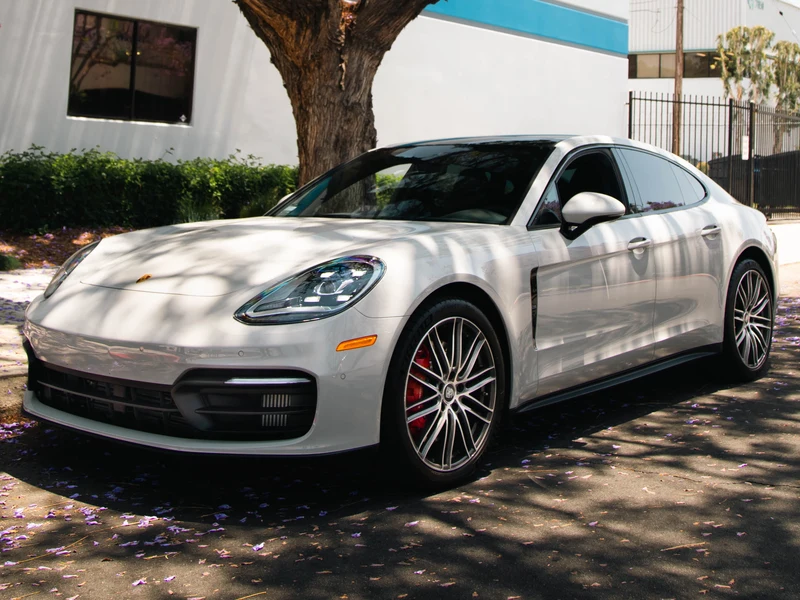

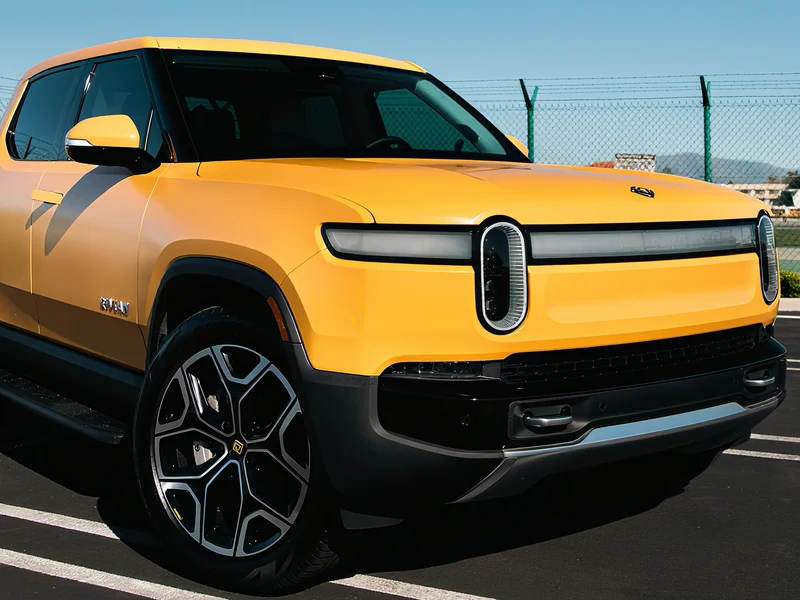
The pattern we see at year three. Customers come in asking why their old tint looks purple — almost always dyed film installed at a budget shop in 2021–2022. We pull it, install ceramic, and they tell us the cabin feels noticeably cooler the same day. Same VLT shade, dramatically different real-world performance. Worth doing right the first time.
Frequently asked questions
Is ceramic tint actually worth the extra cost?
For Los Angeles owners keeping a car 3+ years, yes. Ceramic blocks 2–3× the infrared heat of dyed film, doesn't fade or turn purple under LA sun, lasts 10+ years vs 2–4 for dyed, and adds no signal interference. By year four, dyed film typically costs more cumulatively than ceramic because of the replacement cycle.
How much hotter is a car with dyed tint vs ceramic?
In LA summer (90–100°F ambient), cabin temperatures inside a car with dyed tint typically run 10–20°F hotter than the same car with ceramic tint at the same VLT shade. The difference is most noticeable at re-entry after a parked period — ceramic-tinted cars feel meaningfully cooler the moment you open the door.
Will ceramic tint interfere with my GPS or FasTrak?
No. Ceramic, carbon, and dyed films do not contain metal and have no impact on GPS, cell signal, FasTrak transponders, satellite radio, or keyless entry. Only metalized film causes signal interference — which is why most premium LA shops have stopped installing metalized.
How long does ceramic tint last in Los Angeles?
Premium ceramic film like STEK lasts 10+ years in Los Angeles with proper care. The film does not fade, turn purple, or lose heat-rejection performance over time. Most LA installs last the lifetime of the vehicle. Dyed film typically needs replacement at year 3–4; ceramic is one-and-done.
Can I get ceramic tint clear enough to be legal on the front?
Yes. Ceramic is available in 70%, 80%, and 90% VLT options that are essentially invisible from outside but still block 50–60% of infrared heat. This is the killer feature for California — you stay legally compliant on the front while still getting real heat rejection. Dyed film at the same VLT blocks almost no heat.
How do I know if a shop is installing real ceramic vs fake-ceramic?
Three checks: (1) brand and product name in writing on the quote — "STEK ceramic," "3M Crystalline," "LLumar AIR," "XPEL Prime XR" specifically; (2) a written film warranty — ours on ceramic tint is lifetime; (3) published IR rejection percentage on the spec sheet — real ceramic publishes 60%+. If any of these are missing, the product is likely dyed-with-ceramic-marketing.
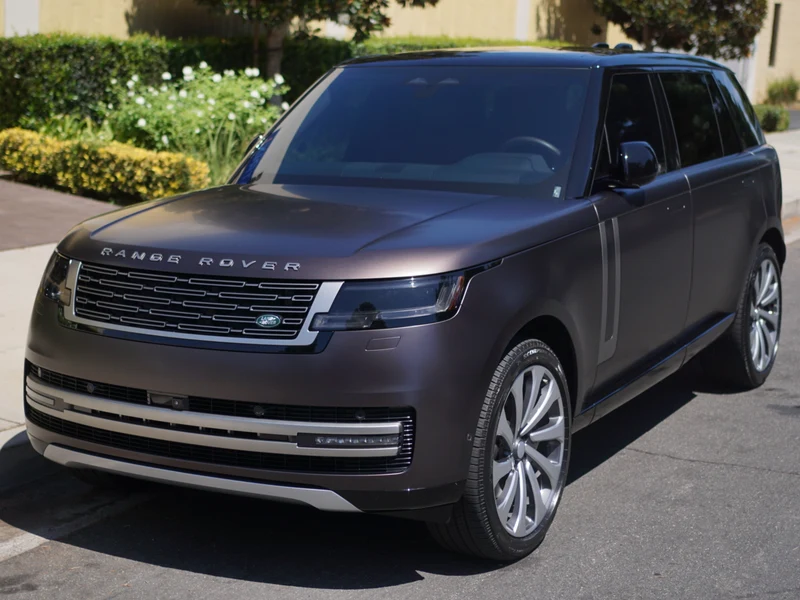
STEK ceramic, brand and IR-rejection spec in writing on every quote. Lifetime film warranty.