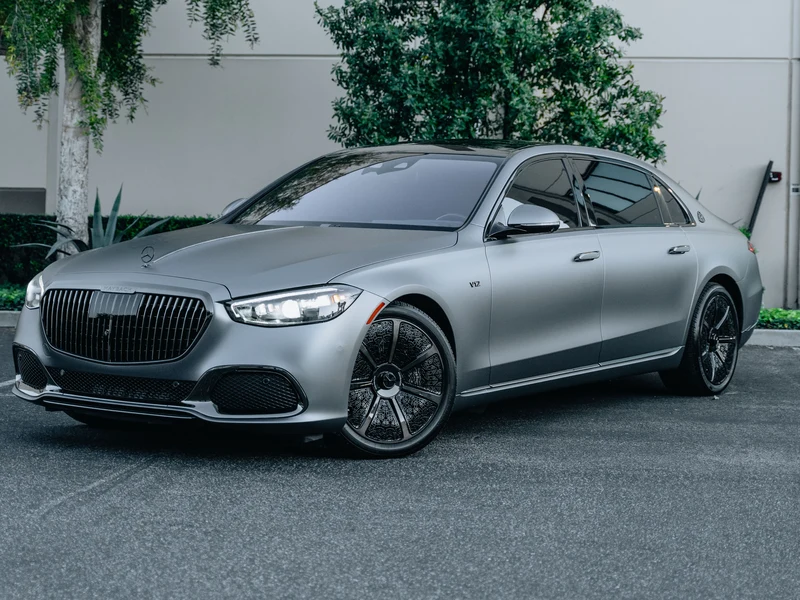
STEK is the paint protection film we install on most premium-vehicle bookings at our Los Angeles studio. Of STEK's automotive product line, two products carry 95% of customer demand: DYNOshield for clear PPF and DYNOmatte for satin/matte finish PPF. They're often discussed as separate products, but underneath they're closely related. This guide walks the actual differences from a shop that has installed both on roughly every premium vehicle category since 2019.
STEK as a brand — quick context
STEK is a Korean-engineered automotive film brand that started in PPF and expanded into ceramic window film. The company runs as a specialty supplier to certified-installer shops only — STEK is not sold direct to consumers, which keeps install quality consistent. Among the premium PPF tier (XPEL, 3M Scotchgard Pro, SunTek Ultra, Llumar Valor, STEK), STEK is the youngest brand by Western-market presence but has rapidly become a mainstream choice for premium and exotic builds.
The two flagship automotive films are part of the DYNO line:
- DYNOshield — clear PPF, the company's flagship product.
- DYNOmatte — satin/matte-finish PPF, same chemistry with a different topcoat.
- DYNOblack / DYNOpremium / DYNOlite — color-PPF and tier variants used less commonly.
For brand-vs-brand comparison across the entire premium ceramic and PPF category, see our window tint brand comparison and best PPF brands compared.
DYNOshield — clear PPF deep-dive
DYNOshield is STEK's clear paint protection film. It's the choice for owners who love their factory paint color and want invisible protection on top.
What you actually see
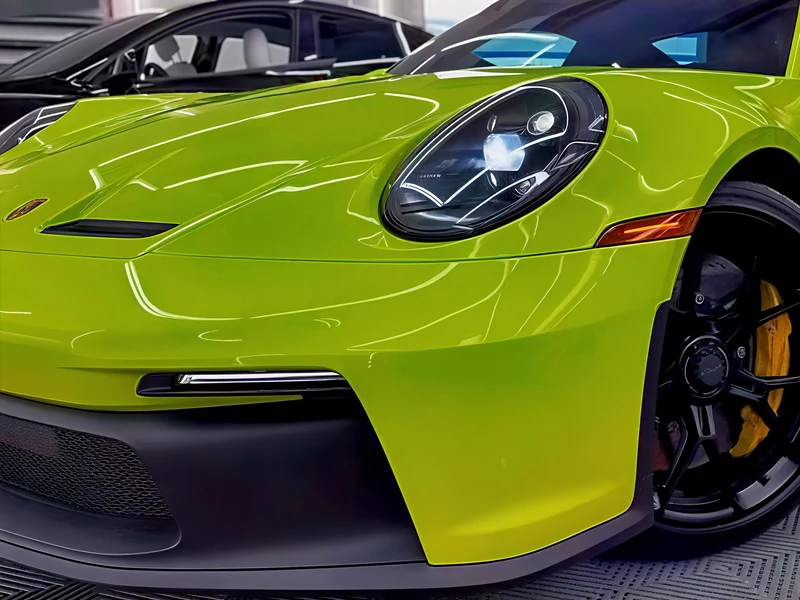
Visually, DYNOshield is essentially invisible from any reasonable distance. Up close it adds a subtle wet/glossy character to the paint — you can see the slight depth of the film if you know what to look for, but most viewers cannot distinguish a DYNOshield install from bare clearcoat. On metallic and pearl paints the film slightly amplifies the depth (reads as "richer" gloss); on solid colors it's harder to detect at all.
Self-healing topcoat
DYNOshield uses a thermoplastic urethane top coat with engineered self-healing properties. Light scratches, fingernail marks, and small swirl marks recover when warmed by sunlight or hot water. The healing is real — visible scratches disappear within minutes of being warmed, not over weeks. Heavier scratches that cut through the topcoat into the urethane don't heal.
Heat performance
DYNOshield handles LA summer heat well. The topcoat is engineered for sustained UV exposure and thermal cycling. We have not seen DYNOshield yellow at year five on installs we've inspected; the manufacturer warranty covers yellowing for the full 10 years.
Where DYNOshield shines
Sports cars and exotics with vibrant factory paint (Lamborghini Verde Mantis, Porsche Guards Red, Ferrari Rosso Corsa) — owners want the color preserved, not changed. Track cars where chip protection on freeway driving matters more than aesthetic transformation. Tesla Model S Plaid where the paint is good enough to leave alone. Our PPF service page covers more example builds.
DYNOmatte — satin/matte PPF deep-dive
DYNOmatte is STEK's satin/matte-finish version. Same self-healing chemistry underneath, different topcoat that absorbs reflection rather than reflecting it.
What you actually see
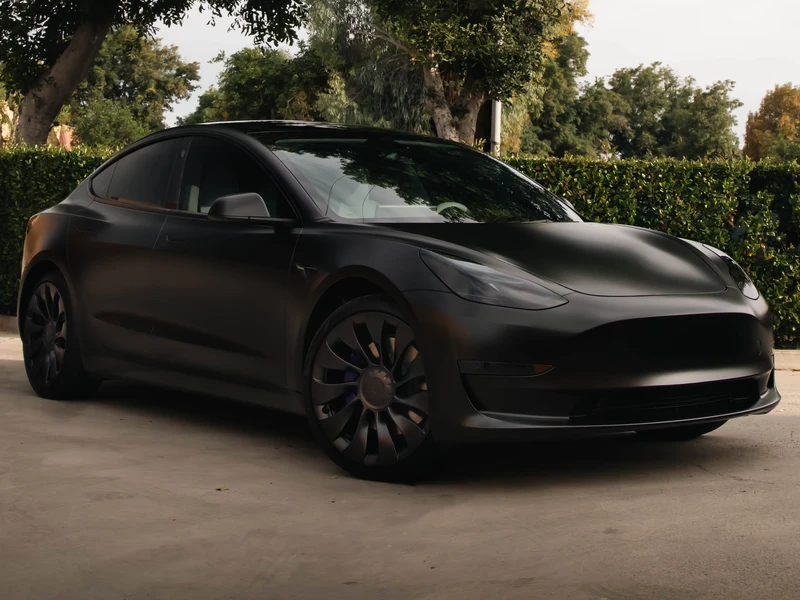
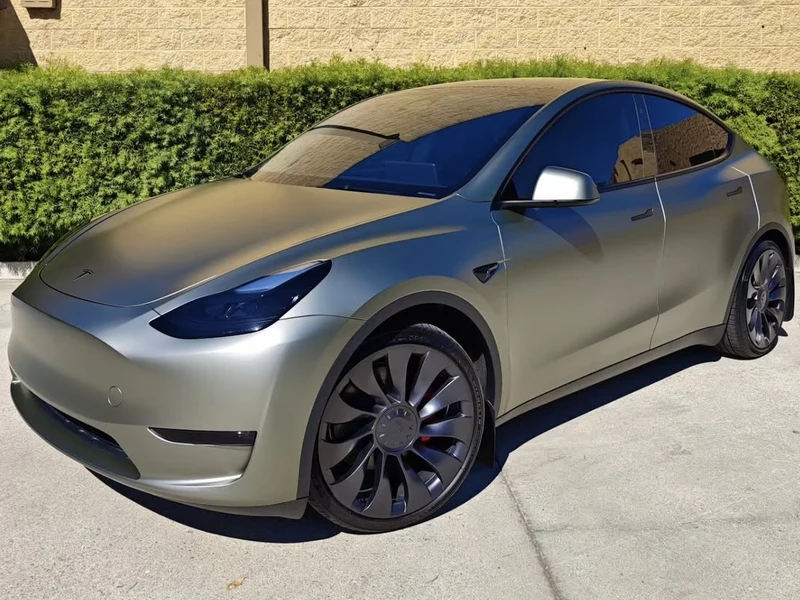
DYNOmatte transforms a gloss factory finish into a satin appearance. The depth and richness of the underlying paint color stays — it's not a flat dead-matte, it's more "premium satin" similar to how high-end European cars ship with matte paint options. Black factory paint reads as "stealth black satin." White reads as "soft pearl matte." Metallic colors read more sophisticated and less aggressive.
Self-healing — yes, on matte
One thing many owners get wrong: DYNOmatte self-heals just like DYNOshield. The matte finish is the topcoat texture, not a separate "matte paint" that doesn't heal. Light scratches recover with heat. This is a major differentiator vs matte vinyl wraps, which do not self-heal at all.
Color shift on metallic paints
One real consideration: on heavily metallic factory paints, DYNOmatte slightly mutes the metallic flake visibility. The flakes still show but appear softer. On flat/solid colors there's no visible color shift, just the gloss-to-satin transformation.
Where DYNOmatte shines
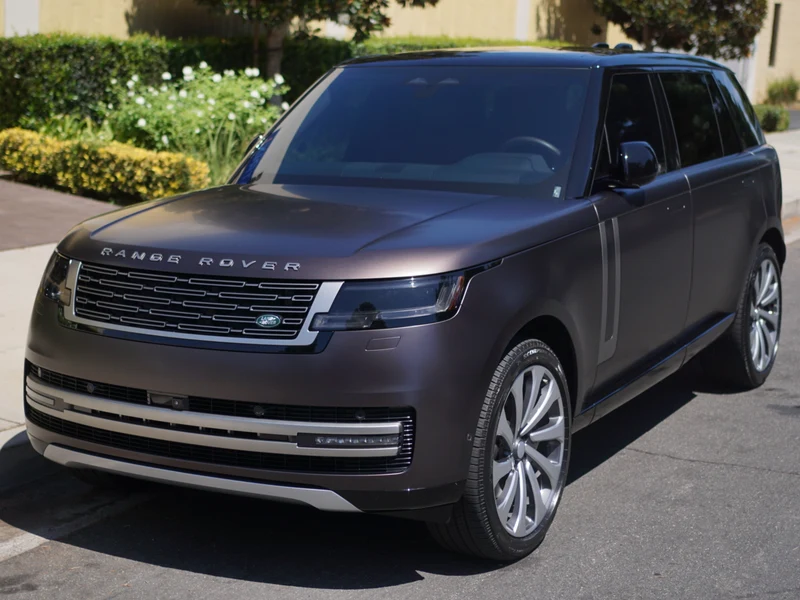
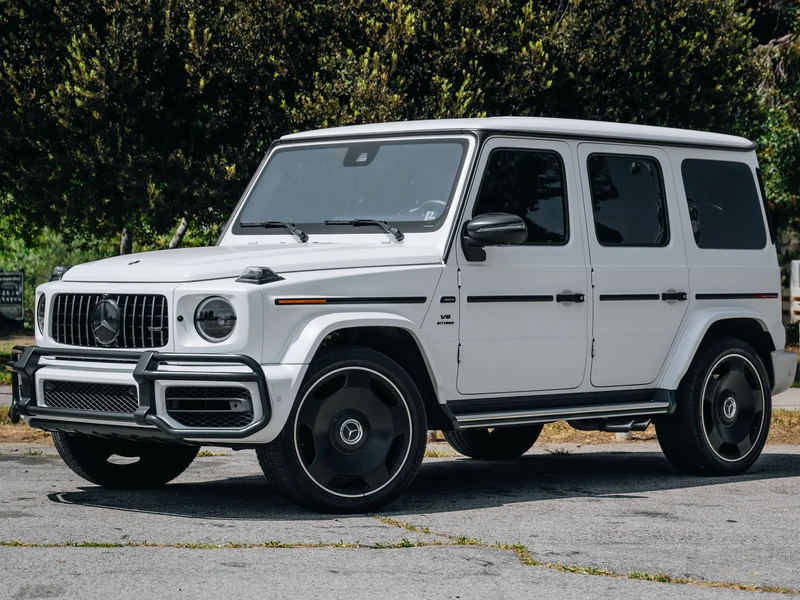
Tesla Model 3, Y, S, X — the modern minimalist aesthetic pairs naturally with satin. Range Rover, G63, Maybach — luxury SUVs where matte reads as more premium than gloss. Sports sedans with darker factory paint (BMW M Series in black, Mercedes-AMG in deep colors) where the matte transformation is dramatic. EVs in general where the satin look complements the futuristic profile.
Side-by-side spec table
Both films share most properties. The differences live in finish, warranty length, and a few install handling characteristics.
| Spec | DYNOshield (clear) | DYNOmatte (satin) |
|---|---|---|
| Finish | Clear / preserves factory gloss | Satin / matte transformation |
| Manufacturer warranty | 10 years | 8 years |
| Self-healing | Yes | Yes |
| Yellowing resistance | Excellent (UV-stabilized topcoat) | Excellent (UV-stabilized topcoat) |
| Hydrophobic topcoat | Yes (water beads off) | Yes (water beads off) |
| Stain resistance | Excellent | Excellent |
| Chip / scratch protection | Same as DYNOmatte | Same as DYNOshield |
| Color match between rolls | N/A (clear) | Tight — matched at manufacture |
| Visible after install | Almost invisible | Visible matte transformation |
| Reversible | Yes (clean removal) | Yes (clean removal) |
DYNOshield (clear)
- Finish
- Clear / preserves gloss
- Warranty
- 10 years
- Self-heal
- Yes
- Visible
- Almost invisible
DYNOmatte (satin)
- Finish
- Satin / matte transformation
- Warranty
- 8 years
- Self-heal
- Yes
- Visible
- Matte transformation
Note the warranty asymmetry: 10 years on clear, 8 years on satin. The satin topcoat is a slightly newer chemistry and the manufacturer's warranty reflects that. In practice we have not seen any DYNOmatte fail before the 8-year mark on installs we've inspected.
Install differences from the shop floor
Both films install with the same panel-removal, edge-wrapping, and cure protocol. Three small differences matter to the install crew but rarely affect the customer:
Working temperature window
DYNOmatte has a slightly narrower temperature window for clean install. We run our studio at 65–75°F for both films but DYNOmatte is more sensitive to temperature swings during the 24-48 hour cure. Mobile installs and driveway installs increase the failure rate on DYNOmatte specifically — another reason we install in studio only.
Edge work
DYNOshield edge wrapping is forgiving — small imperfections are visually invisible because the film itself is invisible. DYNOmatte is less forgiving — every edge mismatch is visible because the satin finish creates a visible boundary against any unwrapped surface. We over-engineer DYNOmatte edges as a result.
Color matching across panels
DYNOshield doesn't have a color matching consideration (it's clear). DYNOmatte does — we ensure all panels of a single install come from the same roll batch. Color shift between batches on satin is real, though small. STEK manages this well at manufacture but our install protocol locks roll-batch consistency anyway.
Send year, make, model, and clear vs matte preference — same-day quote.
DYNOshield vs DYNOmatte cost in Los Angeles
Same install labor, slightly different film cost. DYNOmatte runs ~10–15% more on full-body installs.
Final pricing depends on the vehicle and coverage. Call (626) 537-3333 for a written quote, or see the full PPF cost guide.
Maintenance — what's the same, what's different
Both films require similar care. Two real differences in day-to-day maintenance:
What's the same
- Hand wash only — no automatic tunnels for either
- Two-bucket method with pH-neutral soap
- Skip waxes designed for paint (smear matte films, redundant on clear)
- Pressure-wash carefully (≥12 inches from edges, 40° fan tip)
- Annual install-shop inspection at no charge under warranty
- First 90 days: extra-careful cure window
What's different
DYNOmatte cannot be polished. If you scratch through the topcoat into the urethane (rare but possible with sharp impacts), polishing damages the matte finish — you'd see a glossy spot where polish was applied. DYNOshield can be lightly polished if needed because it's clear. This means matte owners need slightly more care with how they handle scratches; clear owners have one extra recovery option.
Matte-safe cleaners only on DYNOmatte. Some auto-detail products designed for clear coat ("gloss-enhancing" sealants, paint-conditioner sprays) damage the matte topcoat. Stick to matte-rated cleaners (CarPro Reset, Adam's Matte Detail Spray, Meguiar's Matte Maintenance). DYNOshield is compatible with most paint-grade products.
Which to pick — by use case
Pick DYNOshield (clear) if:
- You love your factory paint color and want it preserved
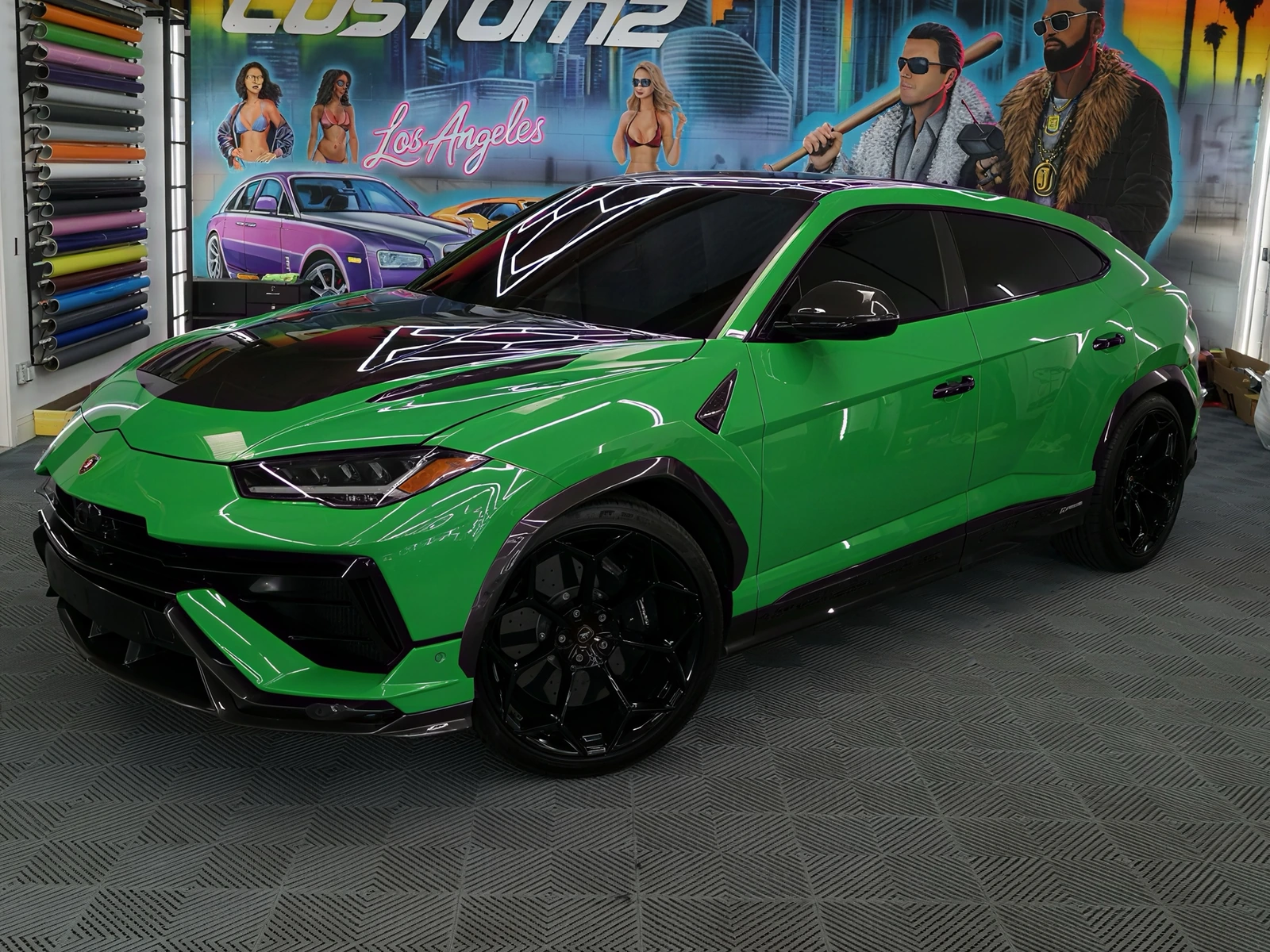
- The car has vibrant or unusual factory color (track car green, supercar red) you bought specifically for the color
- Resale value matters and you want the buyer to see original paint
- Daily commuter where chip protection on freeways matters more than aesthetic change
- Sports car where the paint is part of the performance identity
Pick DYNOmatte (satin) if:
- You want a different look than factory delivered
- Your car is white, black, silver, or grey factory paint (most common matte transformations work)
- EV (Tesla, Rivian, Lucid) where modern aesthetic pairs naturally with satin
- Premium SUV (Range Rover, G63, Maybach) where matte reads as more premium than gloss
- You want low-maintenance look that hides micro-scratches and water spots better than gloss
Roughly 70% of LA Tesla owners pick DYNOmatte over DYNOshield. The factory Tesla aesthetic — minimalist, clean, future-tech — pairs naturally with satin. Same trend on Range Rover, G-Wagon, and Maybach builds. On Porsche, Ferrari, and other paint-color-defining sports cars, DYNOshield wins ~70% to preserve the factory color. Pick the one that matches what you want the car to look like, not what's "popular."
STEK warranty — what's actually covered
Both DYNOshield and DYNOmatte come with manufacturer warranty registered to your VIN at install. Coverage details:
What's covered
- Yellowing — visible color shift due to UV degradation. Replaced free under warranty.
- Cracking — film cracks from material defect (not impact damage). Replaced free.
- Bubbling — bubbles from adhesive failure (not contamination from poor install). Replaced free.
- Delamination — film separating from itself or from paint due to material defect. Replaced free.
- Loss of self-healing — topcoat no longer recovers scratches. Replaced free.
What's NOT covered
- Impact damage — rock chips that cut through the film, accidents, hail
- Scratches deeper than the topcoat layer
- Damage from improper care (automatic car washes, pressure-washing edges, harsh chemicals)
- Removal damage if you remove the film yourself instead of professional removal
How the claim works
Bring the car back to the install shop. We document the issue with photos, register the warranty claim with STEK directly on your VIN, and replace the affected panels at no cost to you. STEK handles the manufacturer side; we handle the labor. Total customer cost on a valid warranty claim: $0.
The pattern we see at year five. DYNOshield installs from 2019–2020 still look essentially day-one — clear, no yellowing, full self-healing. DYNOmatte installs from 2020–2021 (slightly newer product) also holding up. We've processed exactly two warranty claims in five years — one for unusual edge lift on a Cybertruck (replaced free) and one for adhesive failure on a Model X (replaced free). Both customers walked out without paying for the replacement.
Frequently asked questions
Is DYNOshield or DYNOmatte better?
Neither is universally "better" — they do different jobs. DYNOshield preserves your factory paint with invisible protection (10-year warranty). DYNOmatte transforms gloss factory paint into a satin look (8-year warranty). Same impact protection underneath, same self-healing topcoat. The decision is aesthetic. For Tesla / luxury SUV owners DYNOmatte is more popular; for sports cars and exotics with vibrant factory color DYNOshield wins.
Does DYNOmatte self-heal like DYNOshield?
Yes. DYNOmatte uses the same thermoplastic urethane self-healing chemistry as DYNOshield — light scratches recover when warmed by sunlight or hot water. The matte finish is the topcoat texture, not a separate "matte paint" that doesn't heal. This is a major differentiator vs matte vinyl wraps, which do not self-heal at all.
Why is DYNOmatte more expensive than DYNOshield?
DYNOmatte runs ~10–15% more on full-body installs because the satin topcoat is a slightly more expensive chemistry to manufacture, install requires tighter temperature control, and edge work needs to be more precise (every edge mismatch is visible on satin where it would be invisible on clear).
How long does STEK PPF last in Los Angeles?
DYNOshield carries a 10-year manufacturer warranty registered to your VIN at install; DYNOmatte carries 8 years. In practice, in LA we see DYNOshield installs from 2019–2020 still looking essentially day-one with no yellowing or self-healing degradation. DYNOmatte from 2020–2021 holding similarly. The warranty matches what we see on the floor. Full PPF lifespan breakdown here.
Can I polish DYNOmatte if it gets scratched?
No. Polishing matte films damages the satin topcoat — you'd see a glossy spot where polish was applied. If a scratch is light enough that it would normally polish out, DYNOmatte's self-healing handles it with heat alone. Deeper scratches that cut through the topcoat usually mean panel-level film replacement under warranty if applicable, or paid replacement if outside warranty.
Does STEK ship the film direct to consumers?
No. STEK sells exclusively through certified-installer shops, not direct to consumer. This is intentional — keeps install quality consistent and prevents amateur installs that would damage the brand's reputation. If a website advertises STEK film for sale to retail customers, it's either being mis-listed or it's a counterfeit product. Real STEK is installed only by certified shops.
Can I switch from DYNOmatte to DYNOshield later?
Yes. Both films remove cleanly with controlled heat, leaving factory paint intact. Most owners who switch do it after 5+ years when the original install nears end-of-life — they remove the old film and install the new tier on top of refreshed factory paint. Direct same-day swap is also possible but rare; most customers wait until the original film has run its useful life.
DYNOshield or DYNOmatte. Brand and warranty length on every quote. VIN registered at install. Same-day quote.