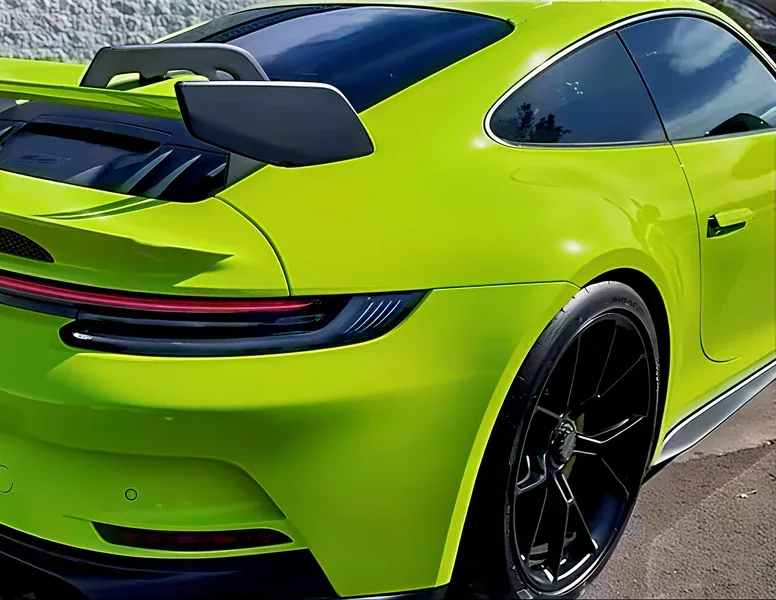
PPF lifespan by tier
There is no single answer to "how long does PPF last" because there is no single PPF. Film grade changes everything — chemistry, UV resistance, self-healing, adhesive quality. Here is how the three tiers we see in the LA market actually compare.
| Tier | Expected lifespan | Manufacturer warranty | Yellowing risk | Price tier | Jay's take |
|---|---|---|---|---|---|
| Entry self-heal | 3–5 years | Limited / none | High — visible by year 3–4 | $ | Good for short-term leases only. |
| Mid-tier | 5–7 years | 5–7 year | Moderate | $$ | Fine for garaged weekend cars. |
| Premium (STEK) | 7–10+ years | 10-year Dynoshield / 8-year DynoMatt | Low with UV-stabilized topcoat | $$$ | What we put on our own cars. |
Entry self-heal
- Lifespan
- 3–5 years
- Warranty
- Limited / none
- Yellowing
- High — visible by year 3–4
- Price
- $
Mid-tier
- Lifespan
- 5–7 years
- Warranty
- 5–7 year
- Yellowing
- Moderate
- Price
- $$
Premium (STEK)
- Lifespan
- 7–10+ years
- Warranty
- 10-year Dynoshield / 8-year DynoMatt
- Yellowing
- Low with UV-stabilized topcoat
- Price
- $$$
We install approved PPF films, including STEK — see our paint protection film service for why. Any tier above works if it is matched to how the car is driven and stored, which is exactly what sections below are about.
What determines how long PPF lasts
Four things, in descending order of impact:
Installer skill
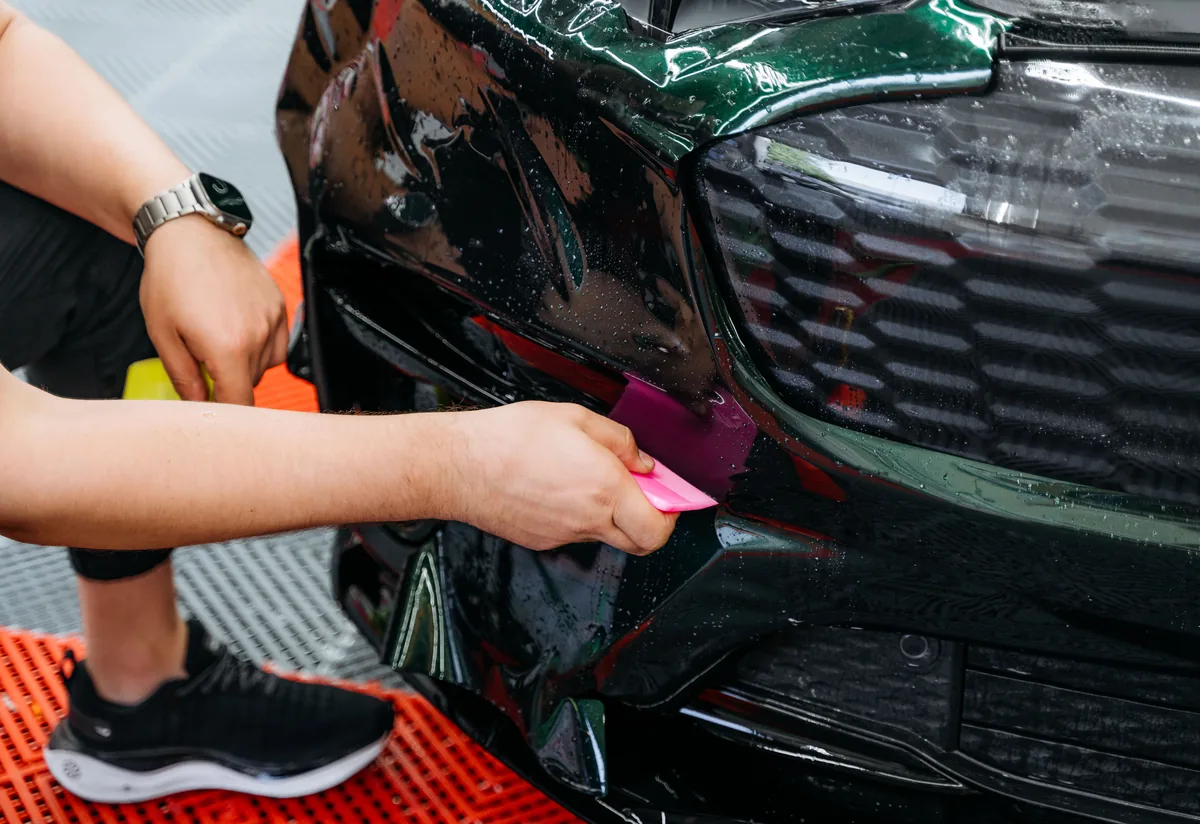
This is the biggest one. Bad installation creates lifted edges, bubbles that never settle, and seams that catch water. A premium film installed poorly ages worse than a mid-tier film installed clean. We wrote a separate guide on red flags to watch for in an installer — worth reading before you book.
Film chemistry and topcoat
UV-stabilized topcoats are why premium films stay clear for a decade. Cheap films rely on base urethane that yellows under LA sun.
Climate
UV hours, heat cycling, coastal salt. Los Angeles has all three. More on that below.
Owner care
Hand-wash habits, avoiding automatic tunnels, choosing whether to add a ceramic topper. These are small individually and large in total.
How to make your PPF last longer
Five things that genuinely move the needle, ranked by effect. None of them require a subscription or a detailer on speed-dial.
- Add a ceramic coating over the PPF. Ceramic coating creates a sacrificial layer that takes UV hits, bird droppings, and light scratches instead of the film. It also makes the car easier to wash, which means you will wash it more gently. This is the single biggest lifespan extender we see. See ceramic coating over PPF.
- Skip automatic car washes. Brushes scratch the topcoat and pull at edges. Two-bucket hand wash with pH-neutral soap takes 20 minutes and costs nothing.
- Keep pressure washers 12 inches from edges. Use a 40° fan tip at 1500 PSI or less, held at least a foot from any panel edge. Closer or narrower tips lift film that a decade of LA sun would not.
- Park in shade when you can. Garage > carport > street. Every hour of direct UV counts, especially on hoods and roofs.
- Annual inspection with your installer. Edges can be re-sealed if caught early. We walk every returning car through a 15-minute check at no charge.
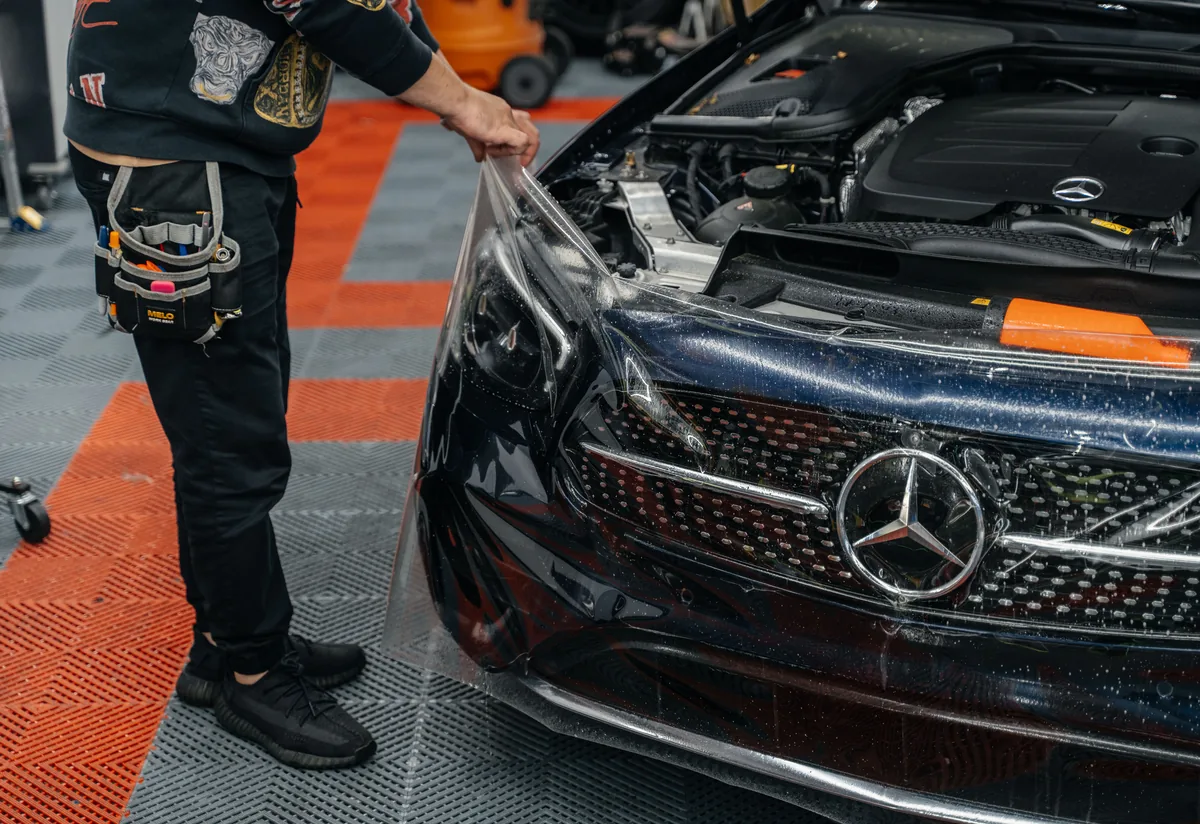
The first three months after install matter most. The adhesive is still curing. No pressure washing, no automatic tunnels, no clay bar. If a film is going to fail early, it fails in the first 90 days — that is the window to catch it under warranty. We register every install to your VIN with STEK the same day, so warranty paperwork is never a question later.
Signs your PPF is failing
Four indicators tell you the film is at end-of-life. Knowing them means you catch problems under warranty and avoid paying for a full re-wrap when a single panel needs attention.
Visible yellowing
Healthy premium film stays clear for a decade. If you are seeing yellow cast under direct sun, especially on hoods or mirror caps, the UV stabilizers in the topcoat are spent.
Edge lift
Run a fingernail along a panel edge. If the film lifts, that is the first place failure spreads. Early lift can be re-sealed; late lift usually means panel replacement.
Haze or cloudiness
Orange-peel texture that was not there on day one, or a milky look under wet conditions. Indicates adhesive breakdown.
Lost self-healing
Premium PPF heals light scratches when warmed by sun or hot water. If scratches stay visible after a warm wash, the self-healing property is gone.
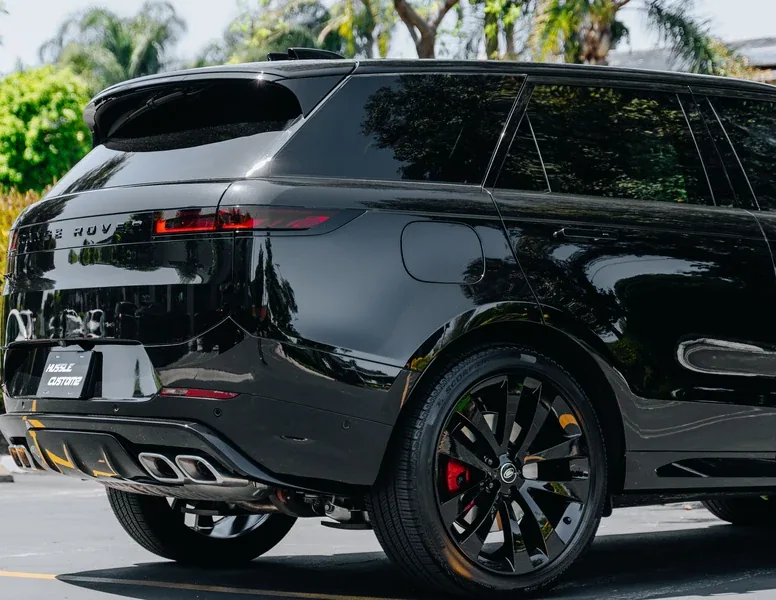
If you see any of these signs, talk to us about replacing or topping up your PPF — often a single panel is enough.
Send us three phone photos — we will tell you what we see, no charge.
Why PPF ages differently in Los Angeles
Los Angeles is not one climate. We see three distinct wear patterns depending on where the car lives.
Westside and coastal
Marine-layer moisture plus salt air. Film here picks up micro-pitting on leading edges faster than inland cars. Hoods and mirror caps show it first. A car parked in Venice ages film noticeably faster than the same car parked in Encino.
Valley and inland heat
Summer surface temperatures on a black hood crack 150°F. Those heat cycles stress the adhesive over time. Premium film handles it; entry film does not.
Canyon corridors and the 405
Grit, sand, and occasional road salt near mountain passes. Lower rockers and front bumpers take the brunt. These are the panels we see need touch-up most often on 5-year installs.
EVs in LA — Tesla, Rivian, Lucid
EVs now make up roughly a quarter of new cars in LA, and their paint behaves differently. Tesla's soft factory paint chips easily on hood and front bumper — PPF here pays back fastest. Rivian's matte factory options and Lucid's Stellar White show every scratch, so color-matched gloss PPF is the usual answer. Frunk lids see deep thermal cycling from pre-conditioning, which stresses film adhesive on the leading edge — we install a slightly oversized panel on EV frunks for that reason.

Tell us where you park before we quote the film. A coastal daily-driver and a garaged weekend car do not need the same spec. Matching film tier to micro-climate is how we keep customers happy at year seven and year eight.
Coastal, inland, canyon, or garaged: different films for different LA lives.
What we see fail first (from our shop)
After years of Los Angeles installs and customers coming back for touch-ups, patterns repeat. Here is what we see break first, in the order we see it.
- Matte film yellows before gloss film. Matte topcoats hold UV damage visibly earlier. Gloss film hides the same aging for years.
- Lower rockers tear before edges lift. Stone chips and road debris kill film on the lower six inches of the car first.
- Mirror caps delaminate on corner-parked cars. The side that catches direct sun all day ages visibly earlier than the shaded side — we see the split by year four.
- Hood leading edges chip first. Even with self-healing film, impact damage beats the topcoat. Freeway miles decide how fast.
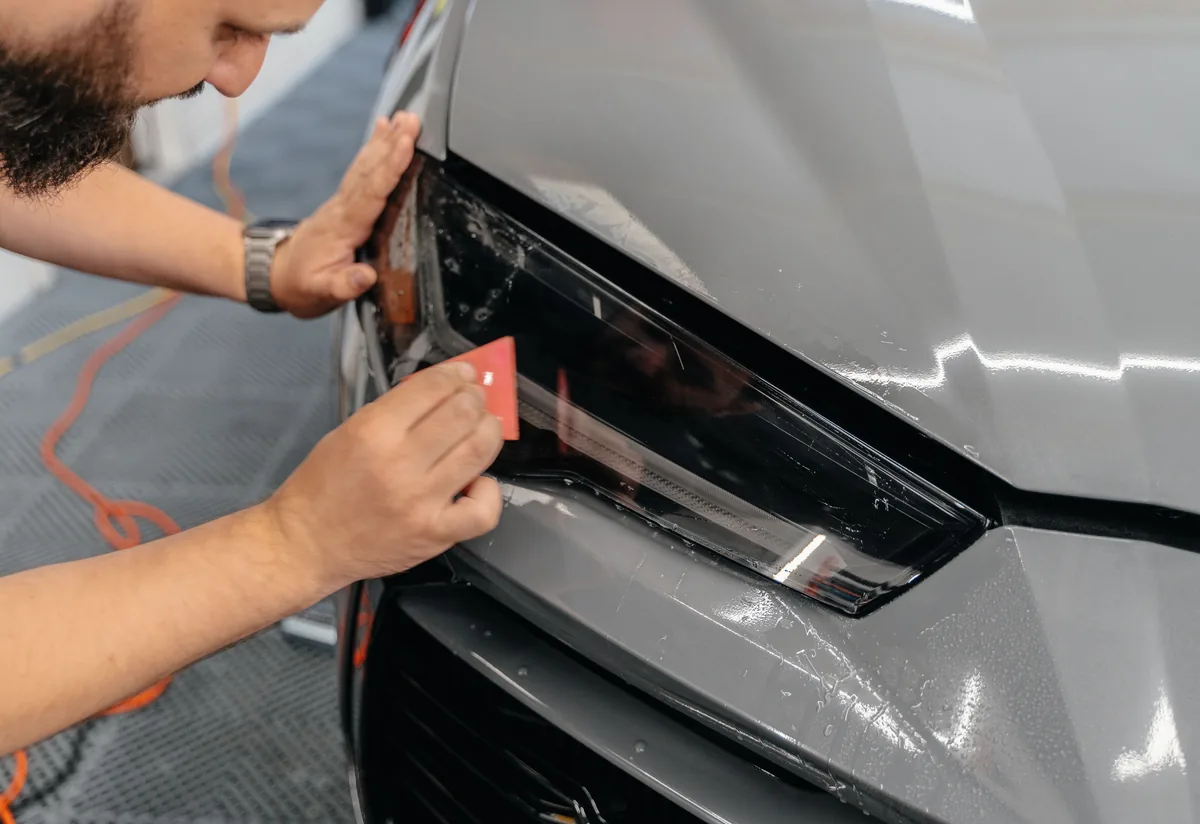
- Headlight corners haze year four to five on entry film. Premium film holds them clear to year seven and beyond.
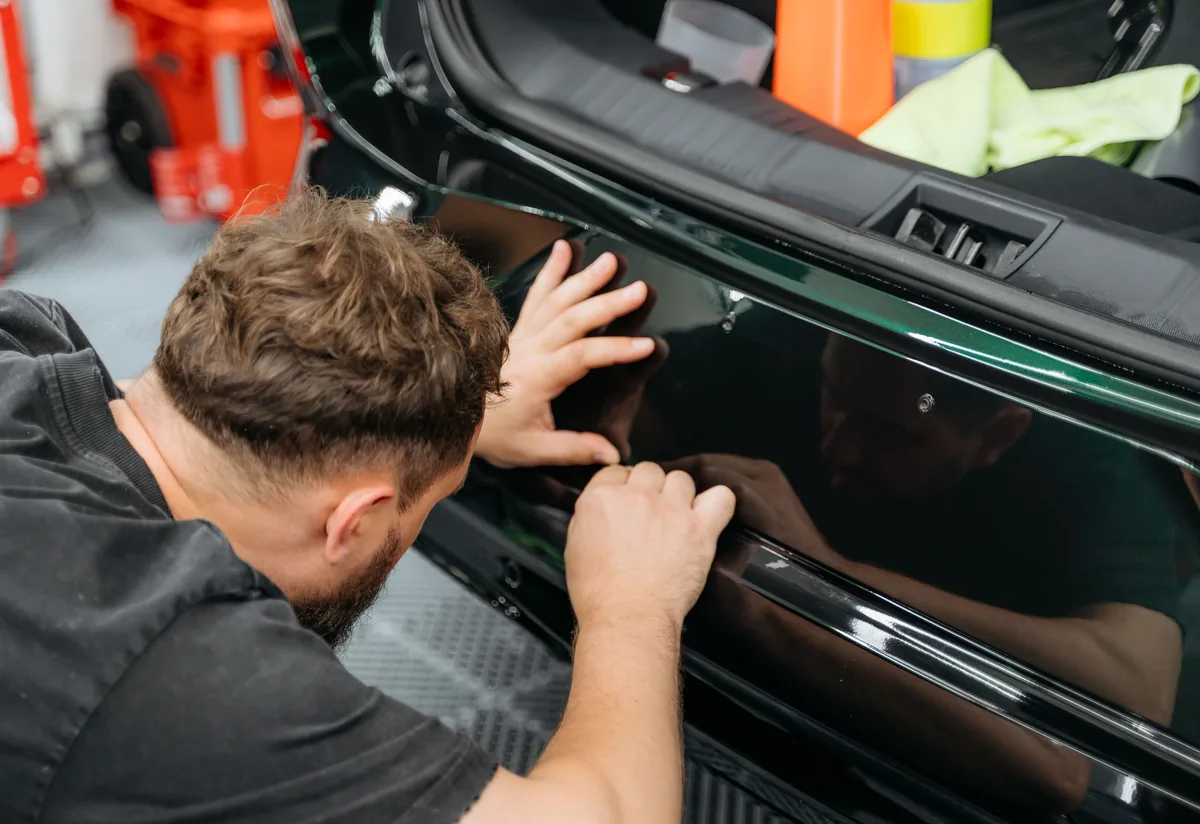
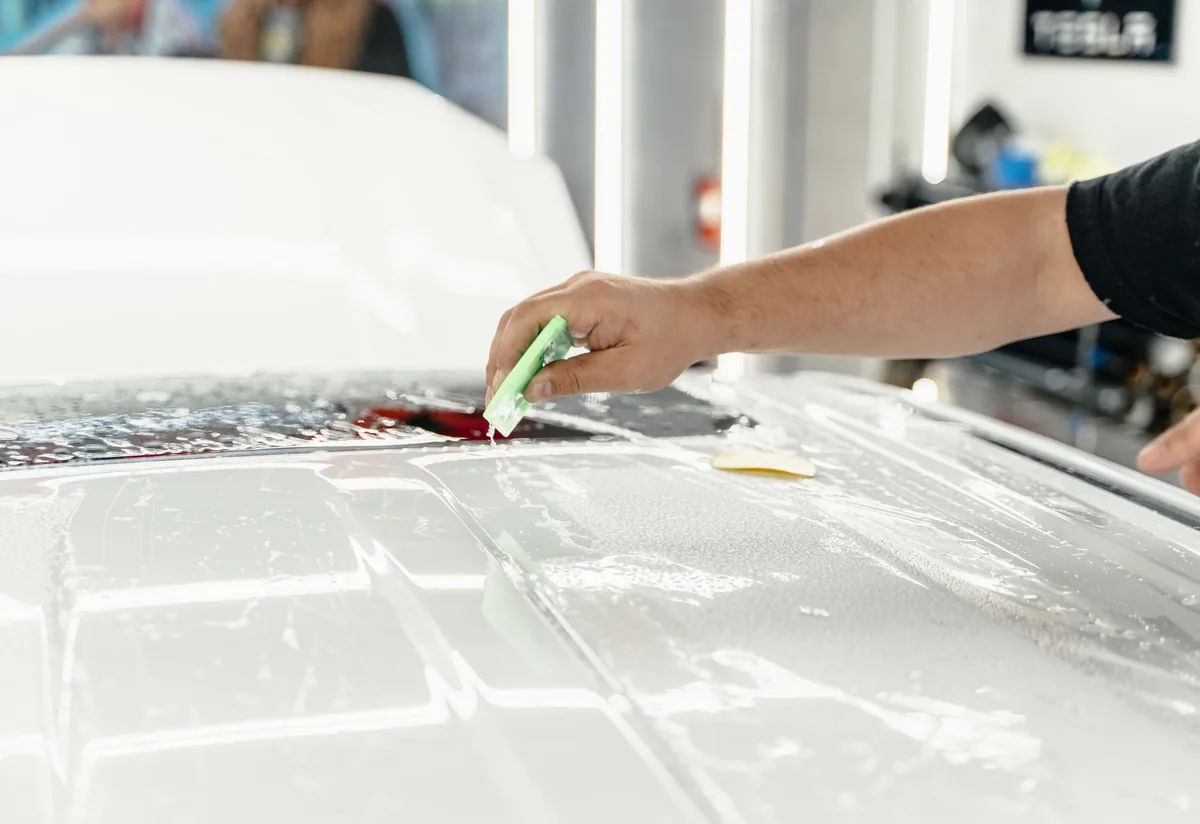
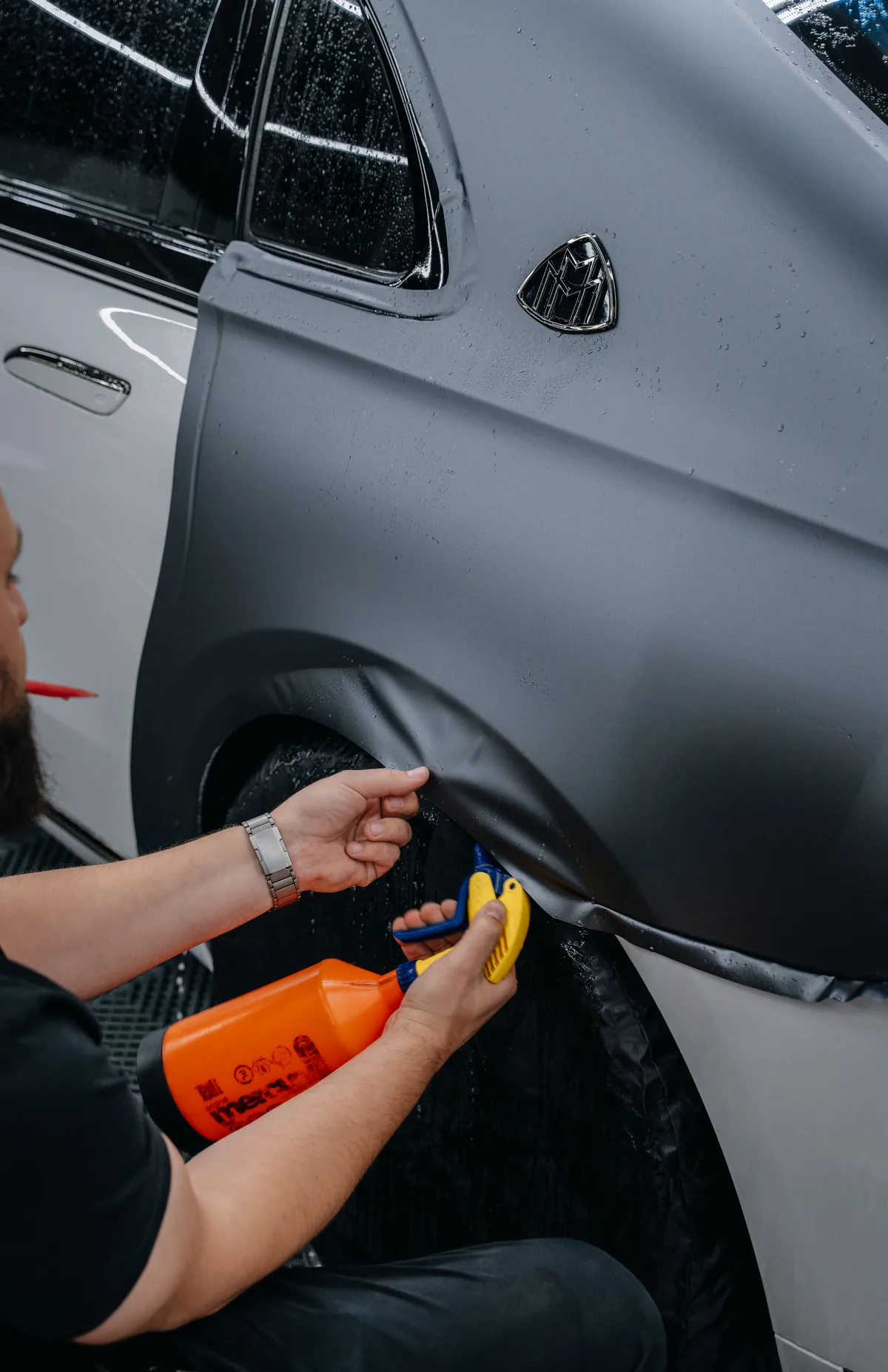
Here is the pattern we see in our shop. Cars that ceramic-coated over PPF come back looking fresh at year seven. Cars that skipped ceramic come back at year four asking why the film looks tired. Same film, same installer, two different outcomes. That is the single most actionable thing we can tell anyone about PPF lifespan.
"Jay and his crew were professional, service completed on schedule, attention to detail and pride in their work truly set them apart." — Yelp review
Frequently asked questions
How long does PPF really last?
Quality PPF like STEK lasts 7–10 years in Los Angeles with proper installation and care. Entry-level films typically fade or yellow within 3–5 years. Lifespan depends on film tier, installer skill, and how the car is stored.
Does PPF turn yellow over time?
Premium PPF like STEK uses UV-stabilized topcoats and resists yellowing for the life of the warranty. Lower-tier or older-generation films can yellow within 3–5 years, especially on hoods and mirror caps exposed to LA sun.
Can PPF be removed without damaging paint?
Yes, quality PPF is designed to be removed cleanly by a professional using controlled heat. Damage is rare on factory paint but possible on repainted panels — always disclose prior bodywork to your installer before removal.
How much does PPF cost in Los Angeles?
Full Front coverage: from $1,250. Full-body installs: from $3,200. Starting prices shown apply to Tesla Model 3/Y. Other vehicles are priced by model and coverage. Starting prices apply to the base film option. STEK upgrades available. Additional coverage priced separately. Extra panels, color PPF, and vehicle complexity (supercars, EV frunks, aero packages) change the job — we quote per car after we see the vehicle or detailed photos.
Ceramic coating vs PPF — which lasts longer?
PPF lasts 7–10 years and physically protects against rock chips and scratches. Ceramic coating lasts 2–5 years and protects against chemical etching and water spots, but not impacts. For Los Angeles driving, most owners benefit from both — PPF under, ceramic on top.
Does PPF void my factory warranty?
No. The federal Magnuson-Moss Warranty Act prevents manufacturers from voiding a warranty simply because PPF was installed. Quality installs leave no residue and are fully reversible.
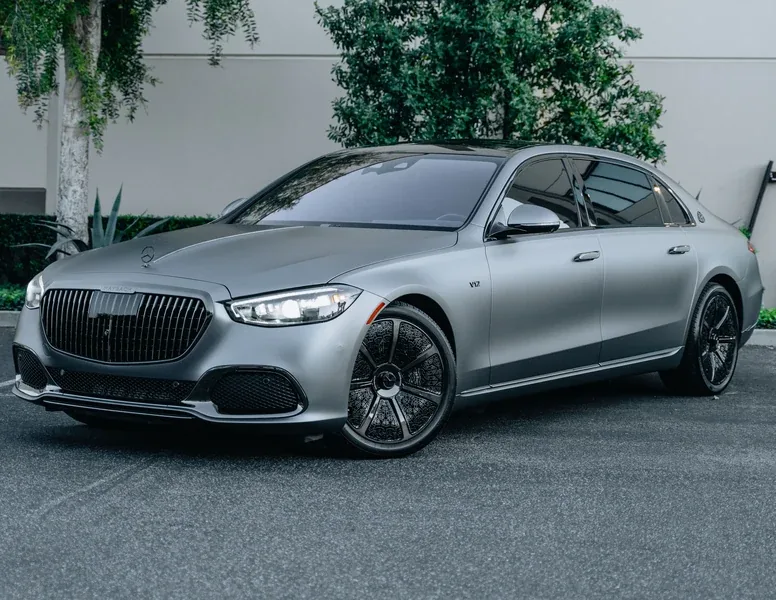
Approved PPF films, including STEK ForceShield and STEK DYNOshield / DYNOmatte — 10-year warranty, registered to your VIN at install. Ceramic-coating option on top. Same shop, same installer for the life of the film.