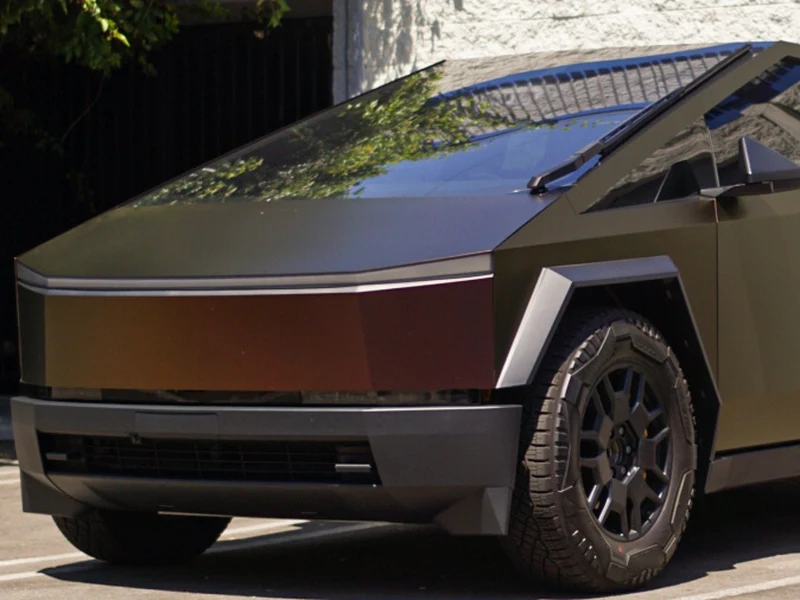
The First 48–72 Hours Matter Most
Fresh vinyl wrap needs time to cure and fully adhere. The adhesive is pressure-sensitive — it bonds stronger over time, but only if you leave it alone during the critical first window. In the first 72 hours after installation:
- No washing of any kind
- No high-pressure water near seams or edges
- No waxing, coating, or detail sprays on the film
- No parking under heavy direct sun for extended periods
- No driving through rain if avoidable — water intrusion at fresh edges is the concern
Disturbing the adhesive during this window can cause lifting at edges and seams — exactly the areas that are hardest to repair cleanly later. After 72 hours, the film is set and you can treat it normally with the right products and techniques.
How to Wash a Wrapped Car Correctly
Color, finish, partial or full — get a wrap quote in 24h.
Hand wash only is the standard recommendation for vinyl wrap, and it's not optional if you want the film to last. Touchless automatic washes are acceptable if you must use them — but avoid any wash with spinning brushes or abrasive cloths. Brushes catch seams and edges, and the abrasion damages matte and satin finishes permanently.
The Right Wash Process
- Pre-rinse the entire vehicle to remove loose dirt and grit
- Use a pH-neutral car wash soap — avoid dish soap or anything with wax additives
- Wash with a clean microfiber wash mitt using light pressure, one panel at a time
- Wash in the shade, not in direct hot sun — soap dries on hot panels and leaves residue
- Rinse thoroughly — soap residue dulls the finish over time
- Dry with a clean microfiber drying towel — never chamois on matte or satin
- Keep pressure washer nozzle at least 12 inches from the film and never aim directly at edges
Wash every two weeks as a baseline. If your car is outdoors daily in LA collecting dust and road grime, weekly is better. The goal is simple: don't let contaminants sit on the film surface long enough to cause damage, especially in the heat.
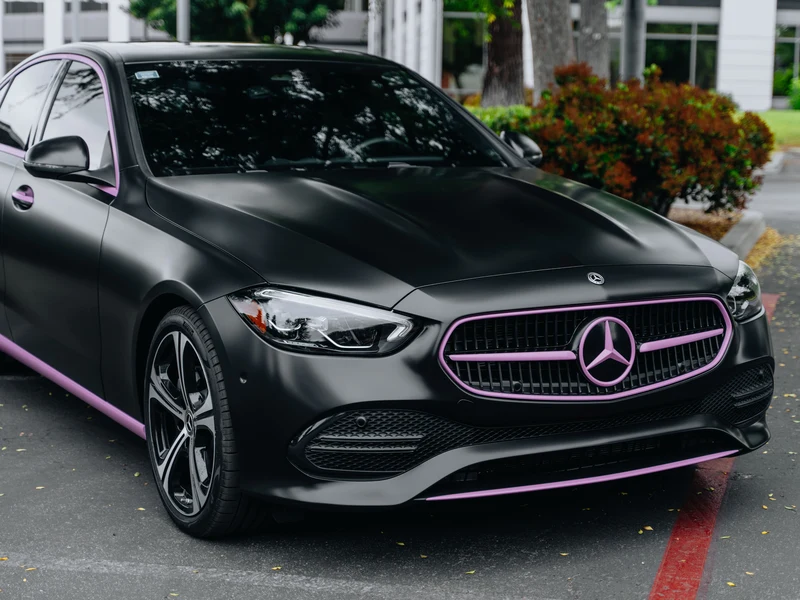
Product Recommendations: What to Use on Vinyl Wrap
Not all car care products are vinyl-safe. Using the wrong soap, sealant, or cleaner is one of the most common ways people damage their wraps without realizing it. Here's what actually works.
Soap
Use a pH-neutral car wash soap with no wax additives and no abrasive particles. Chemical Guys Honeydew Snow Foam and Meguiar's Gold Class are both vinyl-safe and widely available. Avoid any soap labeled "wash and wax" — the wax component can affect matte and satin textures.
Spot Cleaning
Isopropyl alcohol (diluted to 50/50 with water) handles most spot-cleaning situations — bird droppings, tree sap residue, bug splatter, and fuel overspray. Apply it to a microfiber towel, not directly to the film. For tougher spots, a wrap-specific detail spray from brands like Avery Dennison or 3M works well and is formulated not to degrade the vinyl.
Ceramic Coating for Vinyl
A vinyl-specific ceramic coating is one of the best investments you can make after a wrap install. It adds a hydrophobic layer that repels water, dust, and contaminants, makes washing significantly easier, and provides additional UV protection. Products like Gtechniq Halo or Gyeon Matte are formulated specifically for vinyl wrap.
Important distinction: Standard ceramic coatings designed for paint can add unwanted gloss to matte and satin wraps. Always use a coating specifically labeled as vinyl-safe and matte-compatible if your wrap has a non-gloss finish. Gloss wraps can accept a standard vinyl ceramic coating without this concern.
What to Avoid Entirely
Wax on matte or satin finishes fills the texture and creates permanent shiny spots. Solvent-based cleaners degrade the vinyl surface layer. Abrasive compounds or polishes scratch the film and can't be buffed out like paint. Petroleum-based products break down the adhesive over time. Clay bar is for paint, not vinyl — it damages the film's finish.
Seasonal Wrap Care in Los Angeles
LA's climate is relatively mild compared to the rest of the country, but it presents its own specific challenges for vinyl wrap. The care routine should shift with the seasons.
Summer Heat (May–October)
This is when most wrap damage happens in Los Angeles. Surface temperatures on a car parked in direct sun in the San Fernando Valley can exceed 180°F during peak summer months. That kind of heat accelerates UV degradation, softens adhesive, and makes the film more vulnerable to contaminant damage.
- Garage whenever possible — this is the single most impactful thing you can do
- Use a car cover if garaging isn't an option — even a basic UV-blocking cover helps
- Wash more frequently — dust, pollen, and bird droppings bake onto the film faster in heat
- Never wash in direct sun — soap and water evaporate before you can rinse, leaving mineral deposits
- Check edges and seams monthly — heat causes expansion and contraction that can stress adhesive at edges
Winter Rain (November–April)
LA's rainy season is short but can catch people off guard. Rain itself doesn't damage vinyl, but what it leaves behind does. Road grime, brake dust, and acidic water spots accumulate quickly during wet months.
- Wash after rain cycles — don't let road film sit on the wrap for weeks
- Watch for water spots — LA's water is mineral-heavy; spots etch into film if left to dry in the sun
- Inspect edges after heavy rain — water intrusion under lifting edges accelerates during rainy season
- This is a good time to apply or reapply ceramic coating — the hydrophobic layer helps shed water and contaminants all season
What NOT to Do: Common Mistakes That Kill Wraps
Most wrap failures we see aren't caused by bad film or bad installation. They're caused by well-intentioned owners doing the wrong thing. Here are the mistakes we see most often at our studio.
1. Automatic Car Washes with Brushes
This is the number one wrap killer. Spinning brushes catch edges and seams, pull film away from the surface, and create micro-scratches across the entire finish. One visit won't ruin a wrap, but regular use absolutely will. Matte and satin wraps are especially vulnerable — brush damage on these finishes is permanent and visible.
2. Using the Wrong Products
Standard car wax on a satin wrap. Paint polish on vinyl. Wheel cleaner overspray on wrapped fenders. We see the results of all of these regularly. The damage isn't always immediate — sometimes it takes weeks for wax to fully alter a matte texture, or for a solvent-based product to degrade the film surface. By the time you notice, it's not reversible.
3. Ignoring Edge Lifts
A small edge lift on a door handle or mirror is a minor repair — 15 minutes in the studio. That same edge lift ignored for three months becomes a panel replacement. Once an edge lifts, water, dirt, and debris get underneath. The adhesive fails further. The film stretches and distorts. What was a free or inexpensive fix becomes a paid repair.
4. Scrubbing Dry Contaminants
Bird droppings, tree sap, and dried bugs should never be scrubbed off dry. You're dragging abrasive material across the film surface. Always soak first — warm water, a detail spray, or diluted IPA — let it dwell, then wipe gently. The extra 60 seconds of patience prevents permanent scratches.
5. Parking Under Trees
Tree sap is one of the most damaging substances for vinyl wrap. It bonds to the film surface, hardens in the sun, and becomes extremely difficult to remove cleanly the longer it sits. Combined with bird droppings (birds sit in trees — your car gets both), regular tree parking in LA is a wrap maintenance nightmare. If it's your only option, check and clean the car daily.
When to See Your Installer
Not everything is a DIY fix. Knowing when to bring the car back to the shop saves you money in the long run by catching small issues before they become expensive ones.
- Edge lifting anywhere on the vehicle — even small lifts should be re-sealed professionally before they spread
- Bubbling or blistering — this can indicate adhesive failure or contamination trapped under the film
- Tears or punctures — even small ones, especially on high-exposure panels. A patch repair done right is invisible; a patch done wrong looks worse than the tear.
- Yellowing or discoloration — may indicate the film is reaching end of life and should be evaluated for replacement before it becomes difficult to remove
- After any body work or collision — even minor fender contact can compromise the film at impact points and edges
At Hussle Customz, we include a 2-year workmanship warranty on full wraps. If something lifts, bubbles, or peels due to installation issues within that window, we fix it at no cost. We also do minor maintenance repairs for existing clients — it's better to address a $0 edge re-seal now than a full panel re-wrap in six months.
A note on film brands: We use cast vinyl exclusively from 3M, Avery Dennison, Inozetek, and KPMF. Different brands have slightly different care characteristics, but the fundamentals in this guide apply across all of them. If you're unsure about a specific product or cleaning situation, call your installer before experimenting on the film.
Frequently Asked Questions
How often should I wash a vinyl-wrapped car?
Every two weeks is a good baseline, but it depends on conditions. If your car is parked outdoors in Los Angeles and collecting dust, bird droppings, or road grime daily, wash it weekly. Garaged vehicles that stay relatively clean can go 2-3 weeks between washes. The key is not letting contaminants sit on the film surface for extended periods, especially in the heat.
Can I use a pressure washer on a vinyl wrap?
Yes, but with rules. Keep the nozzle at least 12 inches from the film surface and never aim directly at seams or edges — the water pressure can force underneath and cause lifting. Use a wide fan tip, not a zero-degree nozzle. Water temperature should stay below 180°F. Pressure washing is fine for rinsing, but hand washing with a microfiber mitt is still the best method for the actual cleaning.
Should I ceramic coat my vinyl wrap?
Yes — a vinyl-specific ceramic coating is one of the best things you can do for wrap longevity. It adds a hydrophobic layer that repels water, dust, and contaminants, makes washing easier, and provides additional UV protection. Use a coating specifically formulated for vinyl wrap, not a standard paint ceramic coating. For matte and satin finishes, make sure the coating is matte-safe or it will add unwanted gloss.
Can I take a wrapped car through an automatic car wash?
Touchless automatic washes are acceptable if you must use them, though hand washing is always preferred. Never use a car wash with spinning brushes or abrasive cloths. The brushes catch film edges and seams, causing lifting and peeling. They also scratch matte and satin finishes permanently. If touchless is your only option, it works — but avoid any wash that makes physical contact with the vehicle.
How do I remove bird droppings from a vinyl wrap?
Act fast — bird droppings are acidic and will etch into the vinyl surface within hours, especially in hot sun. Soak the area with warm water or a wrap-safe detail spray, let it dwell for 30-60 seconds to soften, then blot and gently wipe with a clean microfiber towel. Never scrub dry bird droppings off the film — you will scratch the surface. If a stain remains after cleaning, a light application of diluted isopropyl alcohol usually removes it.
Premium cast vinyl from 3M, Avery Dennison, Inozetek, and KPMF. Controlled studio installation, 2-year workmanship warranty.